


Understanding Standard wood table Prices
Market Overview & Supply Chain Dynamics
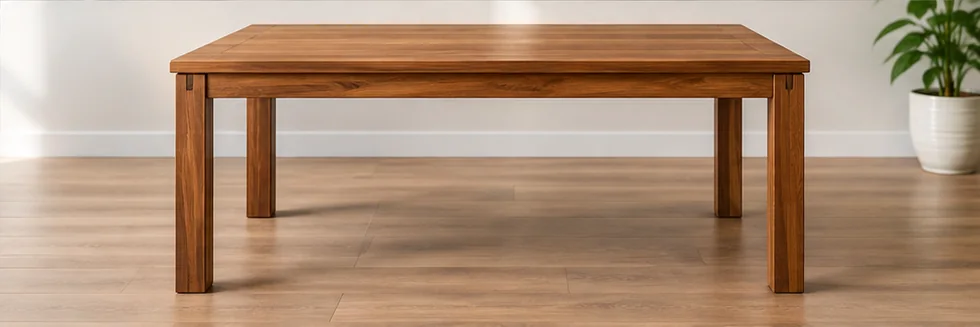
Standard Wood Table is a finished furniture category, not a uniform commodity timber grade. Solid and engineered wood, joinery, surface finish, moisture conditioning, and assembly scope define the commercial offer. Production includes component selection, machining, joining, sanding, finishing, and packing. Table size alone cannot explain the price difference between a basic veneered product and a well-constructed solid-wood piece.
Key Applications & Industrial Demand
Homes, offices, hospitality settings, and institutional buyers use tables with different appearance and durability needs. Load, stability, finish resistance, and maintainability matter alongside style. Commercial dining or work use may require performance beyond that of a lightweight occasional table.
Key Factors Influencing Standard Wood Table Price Movements
- Material and Yield: Solid and engineered wood choices, species, selected component recovery, panel quality, and moisture conditioning determine much of the manufacturing cost.
- Construction Quality: Joinery, hardware, leg design, stability, dimensions, and machining accuracy influence durability, assembly effort, and rejection rates.
- Finish and Delivery: Surface finish, color matching, drying, packaging, assembly scope, freight volume, and after-sales arrangements add value beyond the raw wood.
How to Interpret Standard Wood Table Pricing Data
Compare tables per piece with dimensions, wood construction, species, finish, hardware, and delivery stated. Include assembly and warranty terms. A lumber price per cubic meter excludes fabrication, finish, packing, labor, and the retail or commercial distribution service.
Further reading: USDA Furniture Wood, Fastenings, and Finishing Handbook
Frequently Asked Questions About Standard wood table
What Drives Price Changes for Standard Wood Table?
Wood and panels, labor, coatings, factory orders, design, and furniture freight influence prices. Small runs and custom finishes can cost more than standardized mass production.
How Do Quality or Specification Differences Affect Standard Wood Table Pricing?
Material, joinery, stability, moisture, finish, dimensions, hardware, and workmanship matter. A similar appearance can conceal a different core panel or structural construction.
Why Can Local Standard Wood Table Prices Differ From Global Benchmarks?
Local labor, freight volume, assembly, duties, showroom or contract service, and stock availability affect prices. Finished furniture contains substantial fabrication and distribution value beyond timber.