


Understanding Sawn teak lumber Prices
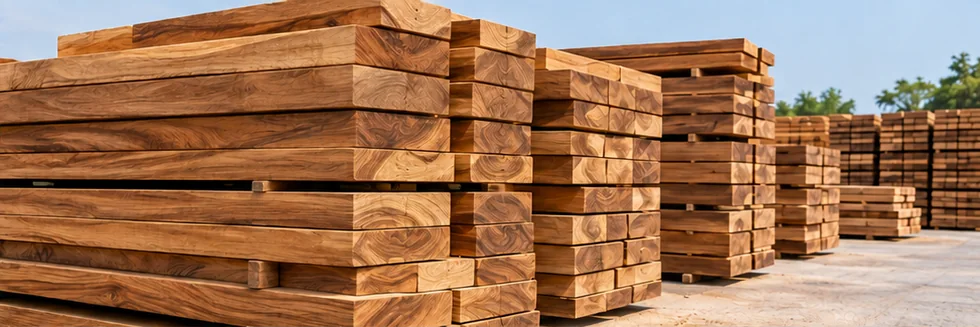
Market Overview & Supply Chain Dynamics
Sawn Teak Lumber is valued according to heartwood, plantation origin, natural extractives, drying condition, and clear dimensions. Logs from different growing histories can produce very different boards. Sawing and conditioning establish usable material for fabrication, while color and defects affect appearance grade. Teak should therefore be bought as a defined timber lot rather than an assumed premium attached to its species name.
Key Applications & Industrial Demand
Furniture, joinery, decorative work, and selected marine products use suitable teak. Buyers evaluate appearance, stability, machining, and service requirements for their application. A young plantation board and mature heartwood stock may not provide the same visual or processing result.
Key Factors Influencing Sawn Teak Lumber Price Movements
- Log Origin and Recovery: Plantation origin, tree age, log diameter, heartwood proportion, and documentation influence the amount of valuable clear lumber recovered.
- Material Condition: Natural extractives, drying condition, checks, and clear dimensions affect machining, finishing, bonding, and the yield of visible components.
- Appearance Demand: Furniture and joinery orders, matching color, long lengths, and selected marine specifications create premiums for particular teak lots rather than every board.
How to Interpret Sawn Teak Lumber Pricing Data
Teak is commonly quoted per cubic meter or board measure with species, origin, grade, dimensions, and moisture stated. Compare heartwood and sapwood proportions. Finished decking or furniture includes profiling and fabrication, while log prices omit sawing and drying recovery.
Further reading: USDA Wood Properties and Timber Processing
Frequently Asked Questions About Sawn teak lumber
What Drives Price Changes for Sawn Teak Lumber?
Suitable log supply, origin documentation, sawing yield, conditioning costs, and furniture or marine orders influence prices. Clear wide heartwood can remain scarce amid broader plantation supply.
How Do Quality or Specification Differences Affect Sawn Teak Lumber Pricing?
Species identification, heartwood, origin, grain, defects, dimensions, moisture, and consistency matter. Teak appearance and yield vary substantially across plantations and board grades.
Why Can Local Sawn Teak Lumber Prices Differ From Global Benchmarks?
Origin, freight, duties, drying, local fabrication, certification, and stock selection affect prices. Small matched lots can carry premiums over mixed export packs.