


Understanding Road roller Prices
Market Overview & Supply Chain Dynamics
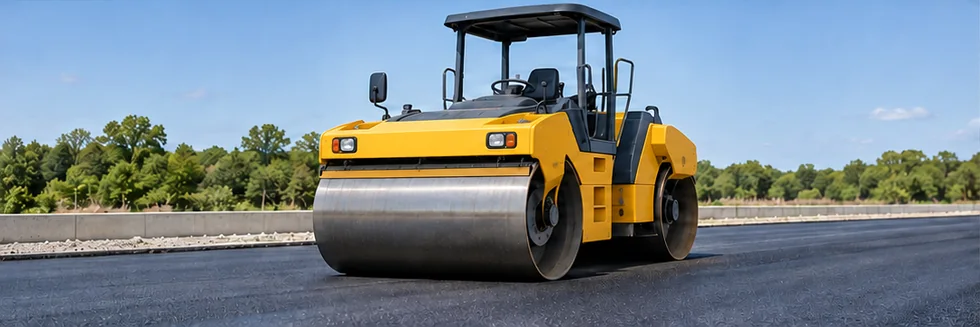
A road roller compacts asphalt, soil, or aggregate through static loading, vibration, or tire pressure. Drum width, operating mass, vibration amplitude, frequency, and smooth drum or padfoot configuration determine its application. Asphalt finishing requires different surface contact and temperature management from cohesive-soil compaction. Manufacturers combine chassis, propulsion, drums or tires, vibration hardware, controls, and operator protection into distinct equipment classes.
Key Applications & Industrial Demand
Road contractors, civil engineering firms, utilities, and rental fleets purchase rollers for pavement layers, trenches, foundations, and earthworks. Demand follows infrastructure schedules, project specifications, and the material being compacted. Machine maneuverability and edge access matter on repair work, while larger projects emphasize coverage and consistent density.
Key Factors Influencing Road Roller Price Movements
- Compaction Mechanism: Operating mass, vibration amplitude, frequency, drum width, and smooth drum or padfoot construction determine material suitability and compaction performance.
- Pavement Features: Water spraying, drum finish, temperature-related controls, steering, edge access, and compaction monitoring add capability for specific asphalt and civil tasks.
- Fleet Condition and Support: Drum wear, vibration bearings, maintenance history, rental demand, and field-service access influence the value of new and used rollers.
How to Interpret Road Roller Pricing Data
Quotations may be for a complete new roller or a used machine with significant drum and vibration-system wear. Compare working width, mass, vibration settings, propulsion, steering, water-spray systems, and compaction monitoring. Delivery, preparation, inspection, and support should accompany the equipment price when estimating a project-ready package.
Further reading: BOMAG: Compaction Equipment
Frequently Asked Questions About Road roller
What drives price changes for Road Roller?
Machine mass, compaction technology, working width, monitoring options, infrastructure spending, and rental-fleet demand influence roller prices.
How do quality or specification differences affect Road Roller pricing?
Vibration performance, drum construction, maneuverability, control accuracy, wear condition, and serviceability distinguish equipment for different compaction duties.
Why can local Road Roller prices differ from global benchmarks?
Heavy freight, preparation, inspections, project specifications, local parts, and maintenance support add market-specific costs.