


Understanding CNC milling machine Prices
Market Overview & Supply Chain Dynamics
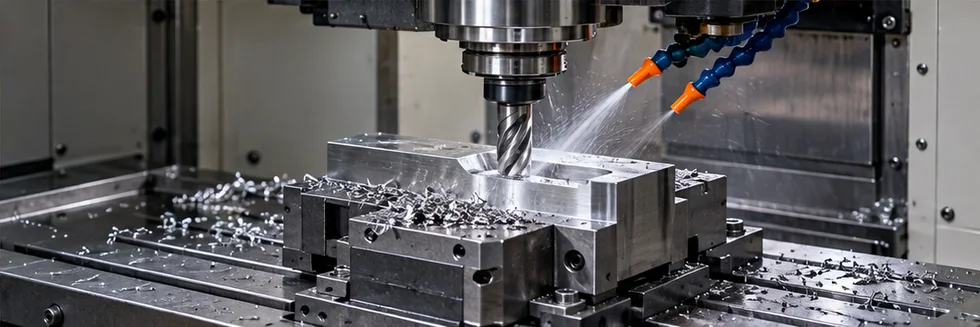
A CNC milling machine removes material with rotating cutters while controlled axes position the workpiece. Axis travel, spindle taper, tool changer, table load, and positioning accuracy define its productive envelope. Vertical, horizontal, and multi-axis configurations solve different access and fixturing problems. Supply involves structural castings, precision guideways, spindle manufacture, drives, controls, assembly, and alignment; visible table dimensions do not capture all of that engineering.
Key Applications & Industrial Demand
Mold shops, aerospace suppliers, general machinists, electronics tooling firms, and equipment builders use milling machines for prismatic and contoured components. Demand follows tolerance, part geometry, material, tool access, and batch size. Additional axes can reduce handling but require suitable workholding, programming, and operator capability.
Key Factors Influencing CNC Milling Machine Price Movements
- Spindle and Structure: Spindle taper, torque range, bearing construction, machine rigidity, and thermal stability affect material removal and surface quality.
- Motion and Workholding: Axis travel, table load, positioning accuracy, rotary axes, and tool changer capacity determine machining access and production flexibility.
- Integration Requirements: Fixturing, tooling, programming software, coolant systems, probing, transport, and commissioning convert a machine purchase into an operating production asset.
How to Interpret CNC Milling Machine Pricing Data
Quotations are per configured machine or machining center. Separate the base machine from tooling, fixtures, probing, rotary tables, software, coolant, and chip-removal options. Compare achievable accuracy and cycle time for the intended work rather than treating spindle power or nominal travel as a complete performance measure.
Further reading: Haas Automation: Vertical Mills
Frequently Asked Questions About CNC milling machine
What drives price changes for CNC Milling Machine?
Machine geometry, spindle technology, axis count, controls, automation options, and precision-testing requirements influence milling-machine prices.
How do quality or specification differences affect CNC Milling Machine pricing?
Rigidity, positioning accuracy, thermal behavior, toolholding, spindle performance, and supported workpiece size distinguish machining-center grades.
Why can local CNC Milling Machine prices differ from global benchmarks?
Rigging, import freight, site preparation, tooling, operator training, and local technical support increase installed costs above factory quotations.