


Understanding Pressure sensor Prices
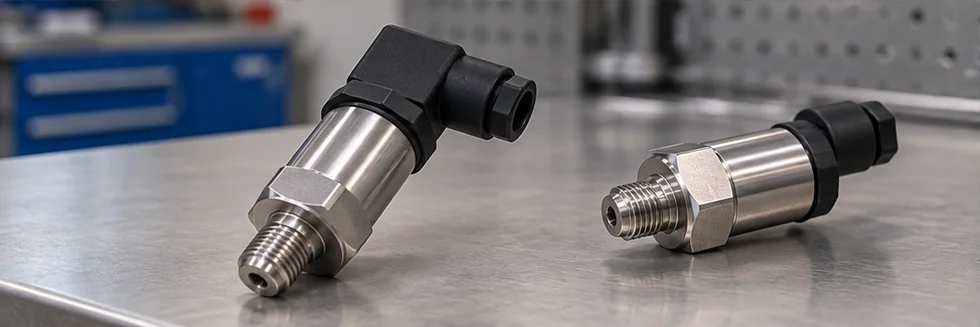
Market Overview & Supply Chain Dynamics
A pressure sensor converts diaphragm or sensing-element response into an electrical output. Pressure range, gauge pressure versus absolute or differential measurement, accuracy, and output signal define its role. Wetted materials, seals, process connections, and temperature limits determine media compatibility. A sensor suitable for clean compressed air may be unsuitable for corrosive liquid, high-temperature service, or hygienic processing.
Key Applications & Industrial Demand
Industrial controls, hydraulic equipment, HVAC, water networks, instruments, and vehicle systems use pressure sensing. Demand depends on measurement stability, response, environmental protection, and the ability to connect to existing control electronics. Replacement procurement often hinges on matching both the process thread and electrical interface.
Key Factors Influencing Pressure Sensor Price Movements
- Sensing Performance: Pressure range, accuracy, thermal compensation, response time, and gauge pressure or absolute measurement require different sensing and calibration arrangements.
- Process Compatibility: Wetted materials, seals, process connections, overpressure tolerance, and operating temperature determine suitability for the actual fluid and installation.
- Electrical Integration: Output signal, supply voltage, connector, environmental enclosure, calibration documentation, and communication features change the instrument package and integration effort.
How to Interpret Pressure Sensor Pricing Data
Offers are per sensor, transmitter, or complete instrument, which may include different electronics and calibration. Compare measurement reference, range, error specification, thread, material, connector, and calibration certificate. Price per pressure bar is not meaningful because range alone says little about construction or measurement quality.
Further reading: WIKA: Pressure Sensors
Frequently Asked Questions About Pressure sensor
What drives price changes for Pressure Sensor?
Sensing technology, accuracy, media compatibility, pressure duty, calibration, and automation demand shape sensor prices.
How do quality or specification differences affect Pressure Sensor pricing?
Stability, thermal error, reference type, wetted construction, overload tolerance, and documented calibration distinguish pressure-measurement products.
Why can local Pressure Sensor prices differ from global benchmarks?
Special process fittings, calibration services, industrial stock, shipping, taxes, and application support add local procurement costs.