


Understanding Plastic injection molding machine Prices
Market Overview & Supply Chain Dynamics
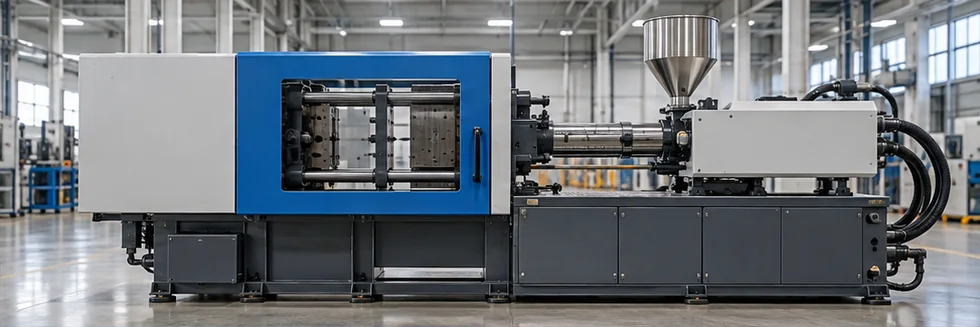
A plastic injection molding machine melts polymer through a screw and barrel, injects a measured shot, and holds a mold closed while the part cools. Clamping force, shot volume, screw diameter, and tie-bar spacing determine whether a particular mold and material can run. Hydraulic, electric, and hybrid architectures offer different control and energy characteristics. The machine is purchased as part of a process that also needs a mold and material-handling equipment.
Key Applications & Industrial Demand
Packaging, medical disposables, electrical housings, automotive components, and household goods use molded plastic parts. Buying decisions depend on part geometry, resin behavior, dimensional control, cavity count, and cycle time. The cheapest machine by clamp tonnage may be unsuitable for thin walls, delicate parts, or demanding clean-production requirements.
Key Factors Influencing Plastic Injection Molding Machine Price Movements
- Clamp and Mold Fit: Clamping force, tie-bar spacing, platen size, mold height, and opening stroke control the molds and component geometries the machine accepts.
- Injection Performance: Shot volume, screw diameter, pressure control, injection speed, and repeatability determine resin processing capability and consistent part weight.
- Production Cell Scope: Cycle time, drive architecture, automation, cooling, drying, mold cost, and tooling changes determine throughput and the complete installed investment.
How to Interpret Plastic Injection Molding Machine Pricing Data
Offers normally price one machine, often excluding the production mold, dryer, chiller, loader, robot, and commissioning. Clamp tonnage is not a normalized capacity measure for every product. Specify the mold dimensions, required shot, resin, injection speed, and validated production conditions before comparing complete manufacturing-cell costs.
Further reading: ARBURG: Injection Molding Machines
Frequently Asked Questions About Plastic injection molding machine
What drives price changes for Plastic Injection Molding Machine?
Clamp size, injection-unit performance, drive type, controls, automation, and demand from molding sectors shape machine offers.
How do quality or specification differences affect Plastic Injection Molding Machine pricing?
Repeatability, speed control, mold compatibility, energy behavior, and resin-processing capability distinguish machines beyond nominal clamp tonnage.
Why can local Plastic Injection Molding Machine prices differ from global benchmarks?
Heavy freight, molds, auxiliary equipment, plant utilities, integration, training, and local service add costs beyond a machine-only export quote.