


Understanding Excavator Prices
Market Overview & Supply Chain Dynamics
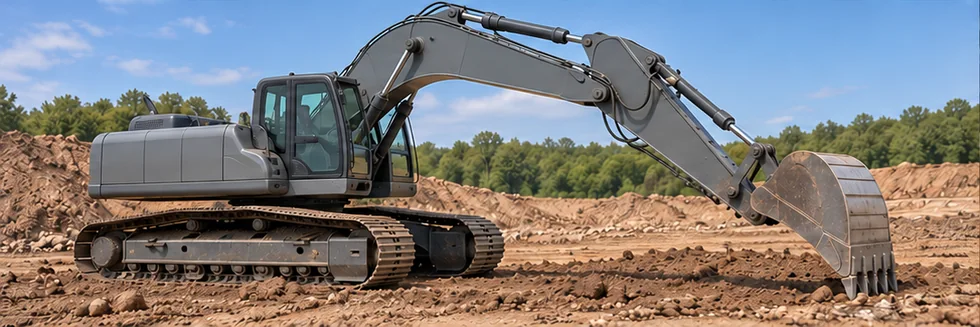
An excavator uses a hydraulic system to position a boom, stick, bucket, or powered attachment around a rotating upper structure. Operating weight, digging depth, bucket capacity, hydraulic flow, and undercarriage define its duty. Engine, pumps, cylinders, structural steel, controls, and ground-engaging parts contribute to cost. Tail-swing geometry and stability can be more important than nominal size on constrained or uneven sites.
Key Applications & Industrial Demand
Construction, utilities, quarrying, landscaping, demolition, and material handling use excavators with different attachments and reach needs. Demand follows project activity and replacement cycles. Bucket-only digging, hammering, lifting, and precision grading expose the same machine to very different hydraulic, structural, and maintenance requirements.
Key Factors Influencing Excavator Price Movements
- Geometry and Structure: Operating weight, digging depth, boom length, stability, bucket capacity, and tail swing determine which sites and excavation tasks the machine serves.
- Hydraulic and Engine Package: Hydraulic flow, control precision, engine duty, cooling, and attachment circuits change productivity and the cost of demanding work configurations.
- Wear and Support: Undercarriage construction, ground-engaging tools, maintenance history, parts availability, and field-service support affect both purchase value and ownership exposure.
How to Interpret Excavator Pricing Data
Compare prices per complete machine at a specified operating configuration. Identify boom, stick, bucket, coupler, auxiliary hydraulics, tracks, cab, and engine specification. Delivery, attachment tooling, setup, service plans, and used-machine wear can outweigh small differences between headline equipment quotations.
Further reading: Caterpillar: Excavators
Frequently Asked Questions About Excavator
What drives price changes for Excavator?
Machine weight, hydraulic capability, engine specification, attachments, construction activity, and available new or used stock influence excavator offers.
How do quality or specification differences affect Excavator pricing?
Digging geometry, hydraulic response, structural durability, undercarriage condition, operator systems, and service coverage distinguish excavator configurations.
Why can local Excavator prices differ from global benchmarks?
Heavy transport, import costs, attachment packages, machine preparation, warranty, and field-service networks add regional equipment costs.