


Understanding Diesel forklift Prices
Market Overview & Supply Chain Dynamics
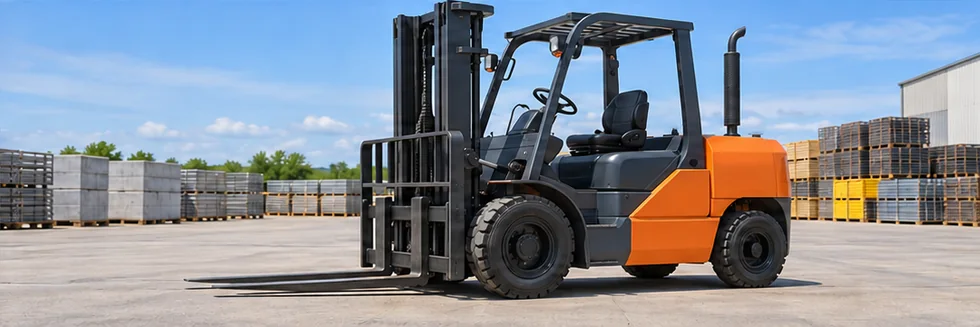
A diesel forklift combines a combustion engine, drivetrain, hydraulic lifting system, mast, counterweight, and tires. Rated capacity applies at a specified load center, while mast height and attachments change the actual handling configuration. Engines and emissions requirements influence suitability for different workplaces. Outdoor traction, ground condition, aisle space, and load stability matter as much as the nominal lifting tonnage.
Key Applications & Industrial Demand
Ports, timber yards, building-material distributors, factories, and outdoor warehouses use diesel forklifts where robust handling and rapid refueling suit the duty. Procurement follows pallet weight, operating hours, ground surface, lift height, and the suitability of exhaust-producing equipment for the work area.
Key Factors Influencing Diesel Forklift Price Movements
- Lifting Geometry: Rated capacity, load center, mast height, fork length, and attachments determine the loads that can be handled in the actual configuration.
- Engine and Running Gear: Engine output, emissions equipment, transmission, tire construction, ground clearance, and cooling affect outdoor duty and purchase cost.
- Operating Package: Cab protection, visibility aids, hydraulic options, inspection, spare parts, and maintenance support change the value of a complete handling investment.
How to Interpret Diesel Forklift Pricing Data
Quotes are per configured truck. Identify mast stages, maximum lift, forks, tire type, cabin, side shift, attachments, and engine specification. Capacity must be evaluated at the planned load center and lift configuration. Delivery, operator training, inspection, maintenance, and attachment certification can be separate from the truck.
Further reading: Toyota: Core Diesel Pneumatic Forklift
Frequently Asked Questions About Diesel forklift
What drives price changes for Diesel Forklift?
Lifting capacity, mast configuration, engine specification, tire construction, attachments, and industrial equipment demand influence forklift prices.
How do quality or specification differences affect Diesel Forklift pricing?
Stability at the intended load center, hydraulic performance, drivetrain durability, operator protection, and serviceability distinguish truck configurations.
Why can local Diesel Forklift prices differ from global benchmarks?
Freight, inspections, engine requirements, attachments, training, and nearby maintenance support add regional costs to a base truck offer.