
Price CloudO3GLOBAL COMMODITY MARKETS
English (US) Language
Charcoal icon
TIMBER AND FOREST PRODUCTS · SOURCES REPORT DIFFERENT PRICE TYPES

Charcoal Latest Prices

Charcoal prices explained through carbonization, fixed carbon, ash, moisture, lump and briquette forms, kiln yield, and usable combustion quality.

Download history CSV ↓
Price series · 1

Price series — Charcoal

Sources report different price types Sources may update at different intervals

Exact item match: 1Related benchmark: 0Within recorded date window: 1Outside date range: 0No latest observation: 0Live reference: 0
Clear filters
Showing 1–1 of 1 Price seriesPage 1 / 1
Price series Charcoal
Provider / SourceCountry / market / CurrencyLatest priceObserved date / published periodFrequencyMappingStatusSource
Daymans DIYThan củi16021975499139:58224228139395ProductCatalog.daymans GB · GB storefront catalog; seller shipping area and checkout eligibility applyGBP / bag 9.50GBP / bag 10/25/2026First recorded (UTC)Last recorded by crawler: Published catalog offerCurrent price · Reference snapshot
Series detailsApproved specification: Lumpwood charcoal, 4 kg bag; not coal briquettes or cooking equipment.Brand: MyfuelsCondition: new_catalog_offer_not_independently_inspectedMinimum order: not_inferred_from_public_pricePrice basis: one_named_variant_as_sold; pack and dimensions retained; not normalized per kg or per componentProduct handle: myfuels-lumpwood-charcoal-4kgProduct title: Myfuels Lumpwood Charcoal 4kgQuantity price break: variant_pack_is_not_an_inferred_quantity_discountSku: HFB-041Storefront product id: 16021975499139Storefront variant id: 58224228139395Variant: Default TitleVariant Title: Default TitlePublished catalog offer not completed transactionCatalog leaf match not all models or marketsShipping and final tax require checkoutCurrent offer only no synthetic daily history
Exact item match Within recorded date window Source ↗History

Price history

Each source has its own currency and unit · Sources may update at different intervals
No data in this range. View full history →

Historical price table

Actual publication periods; missing periods are not interpolated
0 records
Price history Charcoal — Each source has its own currency and unit
PeriodPrice (Each source has its own currency and unit)Source
No records in this range.

Definition: A carbon-rich solid made by heating wood or other biomass under limited oxygen.

Key Specifications and Terms:

Understanding Charcoal Prices
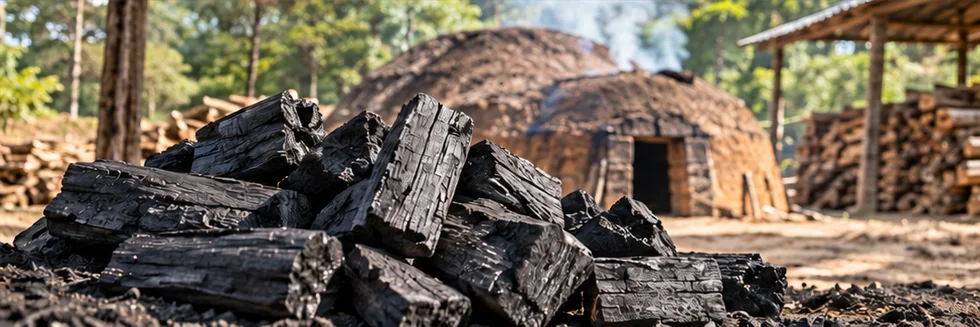
Wood charcoal lumps with charred grain beside carbonization kilns.
Illustrative image for the Charcoal market guide.

Market Overview & Supply Chain Dynamics

Charcoal is produced by carbonization of suitable wood or biomass. Fixed carbon, ash content, moisture, and lump and briquette form define commercial grades. Kiln operation and feedstock affect yield, smoke, hardness, and burning behavior. Briquettes add sizing, binder, and forming steps, while activated carbon is a different processed product. A broad charcoal price cannot represent all these forms.

Key Applications & Industrial Demand

Cooking, grilling, selected metallurgical processes, and other heat applications use charcoal suited to their equipment. Restaurant buyers may prioritize consistent lump size and burn duration, while industrial users require chemical and physical limits. Domestic cooking grade should not be assumed to meet metallurgical specifications.

Key Factors Influencing Charcoal Price Movements

  • Feed and Kiln Yield: Wood species, biomass supply, carbonization control, kiln efficiency, and labor determine recovery of usable charcoal from incoming feed.
  • Combustion Quality: Fixed carbon, ash content, moisture, volatiles, size, and hardness influence heat delivery, smoke, fines, and customer acceptance.
  • Form and Distribution: Lump and briquette production, bagging, binders, screening, breakage, and freight create separate costs for restaurant, retail, and industrial products.

How to Interpret Charcoal Pricing Data

Charcoal commonly trades per kilogram, ton, or bag. Compare actual dry weight, lump sizing, ash, moisture, and packaging. A briquette price includes processing and possibly binder, while activated-carbon quotes include a further treatment and serve different applications.

Further reading: USDA Wood Products and Thermal Processing Handbook

Frequently Asked Questions About Charcoal

What Drives Price Changes for Charcoal?

Wood or biomass supply, kiln yield, labor, drying, foodservice demand, and freight influence prices. Preferred hard lumps may remain scarce despite plentiful fines.

How Do Quality or Specification Differences Affect Charcoal Pricing?

Fixed carbon, moisture, ash, volatiles, hardness, size, and contamination matter. Similar-looking black material can provide very different burn time, smoke, and usable heat.

Why Can Local Charcoal Prices Differ From Global Benchmarks?

Feedstock access, kiln efficiency, bagging, road transport, duties, seasonal consumption, and retail packaging affect prices. Screening and breakage determine how much saleable lump reaches the buyer.