


Understanding Boiler Prices
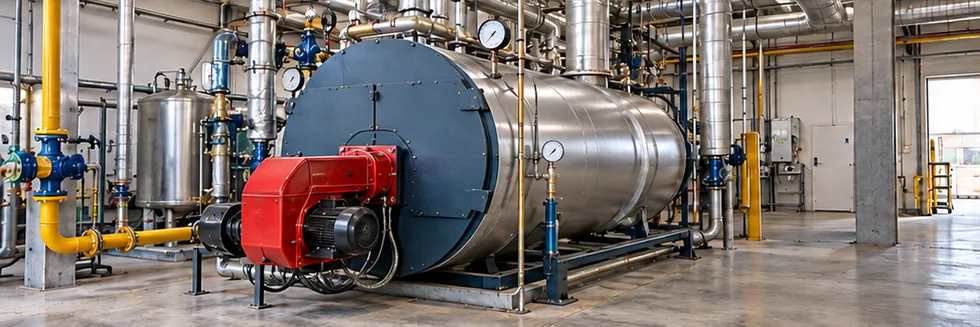
Market Overview & Supply Chain Dynamics
A boiler transfers combustion or electrical heat into water, producing steam or hot water within a designed pressure boundary. Steam output, working pressure, burner construction, and feedwater quality are fundamental distinctions. Water treatment and blowdown protect the heat-transfer surfaces and pressure vessel. Fire-tube, water-tube, electric, and other designs occupy different industrial duties, so nominal heating capacity does not identify a universal boiler configuration.
Key Applications & Industrial Demand
Food plants, laundries, chemical works, textile processing, hospitals, and heating networks use boilers for process energy or building heat. Demand follows required steam conditions, production schedules, fuel availability, and standby needs. A process requiring clean steam or rapid load response may need additional treatment and control equipment.
Key Factors Influencing Boiler Price Movements
- Pressure and Thermal Design: Steam output, working pressure, heating surface, materials, and load response determine boiler construction and the achievable industrial duty.
- Fuel and Water Systems: Burner selection, feedwater treatment, blowdown control, condensate recovery, and heat recovery affect equipment cost and operating efficiency.
- Installed Boiler House: Fuel supply, chimney, foundations, pumps, controls, inspection requirements, and commissioning define the complete boiler-house investment.
How to Interpret Boiler Pricing Data
Steam boilers are often compared by kilograms or tonnes of steam per hour at a stated pressure and feedwater temperature. Identify whether burner, economizer, treatment, feed tank, pumps, chimney, and controls are included. Pressure-vessel documentation, installation, and inspection create costs beyond the packaged boiler.
Further reading: Spirax Sarco: Feedwater Conditioning
Frequently Asked Questions About Boiler
What drives price changes for Boiler?
Pressure class, output, steel content, burner type, emissions controls, and industrial steam demand influence boiler-package prices.
How do quality or specification differences affect Boiler pricing?
Pressure-vessel design, thermal efficiency, steam conditions, response, controls, and inspection documentation separate different boiler duties.
Why can local Boiler prices differ from global benchmarks?
Installation, water treatment, fuel infrastructure, chimneys, inspection, and operator training add region- and site-specific expenses.