


Understanding Wi-Fi module Prices
Market Overview & Supply Chain Dynamics
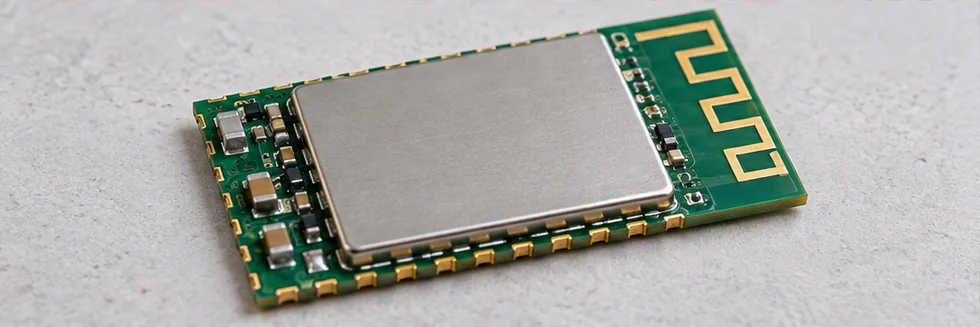
A Wi-Fi module is a microelectronic communications assembly containing a radio IC, RF components, clocking, and an antenna arrangement or connector. IEEE 802.11 support, frequency bands, memory, and host interface determine its application. WPA3 capability and firmware features differ across module families. RF certification can reduce integration work, although the finished product still has to meet the applicable antenna, installation, and radio-compliance conditions.
Key Applications & Industrial Demand
Connected appliances, industrial sensors, building controls, smart meters, and embedded gateways use Wi-Fi modules to communicate with local networks. Demand depends on design-in activity, supported software, power consumption, range, and the ability to maintain security updates. These are circuit-board radio components, not complete consumer routers.
Key Factors Influencing Wi-Fi Module Price Movements
- Radio Capability: IEEE 802.11 generation, supported frequency bands, RF performance, and antenna design influence silicon, assembly, and qualification requirements.
- Software and Security: WPA3 support, host drivers, embedded processing, memory capacity, and maintained firmware affect engineering effort and long-term suitability.
- Certification and Availability: RF certification coverage, industrial temperature testing, approved antenna combinations, and lifecycle supply can justify premiums for a qualified module.
How to Interpret Wi-Fi Module Pricing Data
UK catalog offers may price a module in pounds per piece. Compare the complete ordering code, antenna option, radio bands, available memory, certification coverage, and temperature range. Development boards add USB interfaces, regulators, and headers; their price should not be interpreted as the production-module cost.
Further reading: Espressif: Wi-Fi Protocol Support Espressif: Wi-Fi Security
Frequently Asked Questions About Wi-Fi module
What drives price changes for Wi-Fi Module?
Radio-chip supply, memory configuration, supported bands, security features, certification work, and connected-product production volumes influence module quotations.
How do quality or specification differences affect Wi-Fi Module pricing?
Wi-Fi generation, antenna design, host interface, software support, radio approvals, and operating temperature define different integration grades.
Why can local Wi-Fi Module prices differ from global benchmarks?
Authorized inventory, regional approvals, small-lot handling, development support, and import freight separate local module offers from factory volume agreements.