


Understanding White rice, 5% broken Prices
Market Overview & Supply Chain Dynamics
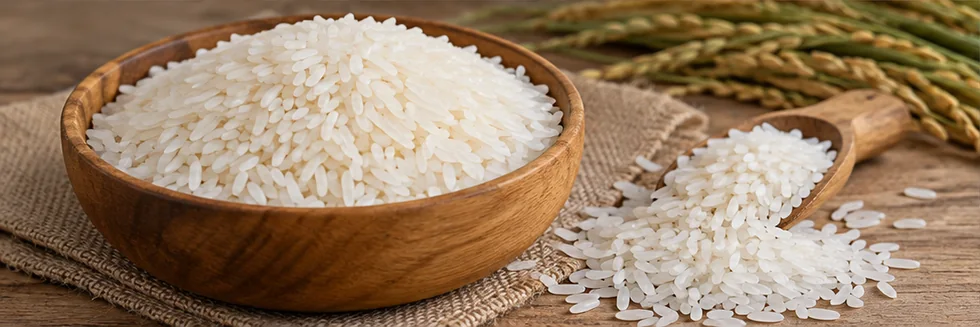
White Rice, 5% Broken is milled rice whose broken kernels fall within the agreed tolerance and measurement convention. Milling degree, chalkiness, and moisture distinguish lots even at the same nominal broken percentage. Head rice recovery determines how much premium whole grain a mill obtains from paddy, linking physical quality with the cost of producing a saleable export lot.
Key Applications & Industrial Demand
Importers, packers, foodservice buyers, and distributors purchase this grade for cooked-rice markets valuing a consistent whole-grain appearance. Variety, grain length, aroma, and cooking texture remain important distinctions beyond the broken percentage.
Key Factors Influencing White Rice, 5% Broken Price Movements
- Paddy and Milling Yield: Paddy cost and head rice recovery determine how much whole-kernel output remains after separating broken kernels.
- Appearance and Storage: Milling degree, chalkiness, discoloration, and moisture affect packer acceptance and the risk of deterioration in transit.
- Origin and Export Timing: Harvest arrivals, variety availability, export demand, bagging, and port logistics influence the premium for the specified white-rice grade.
How to Interpret White Rice, 5% Broken Pricing Data
Export quotations often use US dollars per metric ton, while local wholesale trades may use bag weights and domestic currency. Specify variety, crop year, broken-kernel test, and delivery terms. A 5% grade from one origin need not match another origin's grain or cooking properties.
Further reading: USDA: Rice Inspection Handbook
Frequently Asked Questions About White rice, 5% broken
What drives price changes for White Rice, 5% Broken?
Paddy harvests, whole-kernel milling recovery, importer demand, export policy, freight, and origin-specific stocks affect this rice grade.
How do quality or specification differences affect White Rice, 5% Broken pricing?
Variety, grain dimensions, broken definition, chalkiness, moisture, crop year, and cooking quality distinguish otherwise similarly labeled lots.
Why can local White Rice, 5% Broken prices differ from global benchmarks?
Bagging, inland freight, import charges, storage, local variety preferences, and distribution margins separate local wholesale prices from export offers.