


Understanding Vinyl chloride monomer Prices
Market Overview & Supply Chain Dynamics
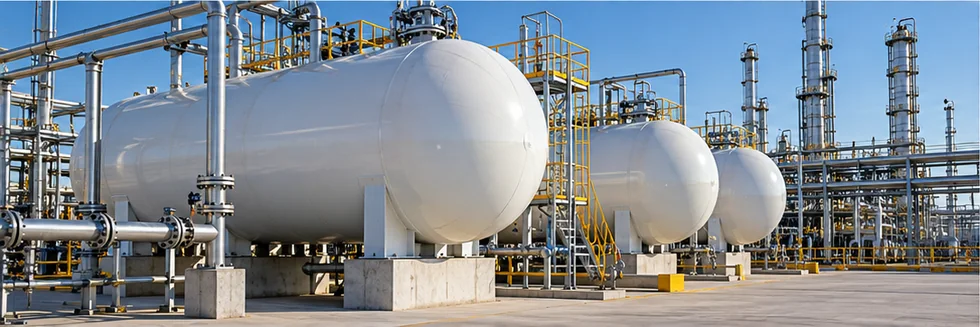
Vinyl Chloride Monomer is a chlorinated feedstock produced chiefly through ethylene dichloride cracking, with an acetylene route also significant in some producing regions. The material is handled as a pressurized liquid rather than an ordinary open-tank chemical. Residual impurities must be controlled for PVC polymerization. Much VCM is consumed within integrated chlorine, EDC, and PVC complexes, leaving merchant availability dependent on maintenance and downstream operating decisions.
Key Applications & Industrial Demand
PVC manufacturers convert VCM into resins for pipes, profiles, cable compounds, flooring, and flexible products. Construction demand reaches the monomer market through resin-plant utilization, while integrated producers may adjust merchant sales to protect their own polymer output.
Key Factors Influencing Vinyl Chloride Monomer Price Movements
- Route-Specific Economics: Ethylene dichloride and acetylene route production face different feedstock and energy pressures, which can create regional cost differences.
- PVC Plant Runs: PVC operating rates determine monomer demand, while integrated producers can shift VCM between internal consumption and merchant contracts.
- Specialized Transport: Pressurized liquid storage, compatible vessels, and residual impurities restrict cargo interchangeability and increase the importance of reliable terminal access.
How to Interpret Vinyl Chloride Monomer Pricing Data
VCM is commonly quoted per metric ton with an explicit loading location and delivery window. Pressurized-liquid shipping, purity requirements, and terminal compatibility are important parts of landed value. A PVC resin quotation includes a later processing stage and cannot substitute for a monomer price.
Further reading: ICIS Chemical Market Methodology
Frequently Asked Questions About Vinyl chloride monomer
What drives price changes for Vinyl Chloride Monomer?
EDC costs, chlorine-chain operating rates, PVC demand, and monomer-plant outages influence VCM prices. Merchant cargo supply can tighten when integrated plants prioritize resin production.
How do quality or specification differences affect Vinyl Chloride Monomer pricing?
Purity and limits on water, EDC, and other contaminants affect polymerization performance. Cargo acceptance also depends on the receiver's equipment and agreed chemical specifications.
Why can local Vinyl Chloride Monomer prices differ from global benchmarks?
Liquefied-gas transport, dedicated terminals, regional production routes, and nearby PVC demand shape landed prices. These constraints can limit arbitrage between apparently cheaper producing regions.