


Understanding Vessel waste collection fee Prices
Market Overview & Supply Chain Dynamics
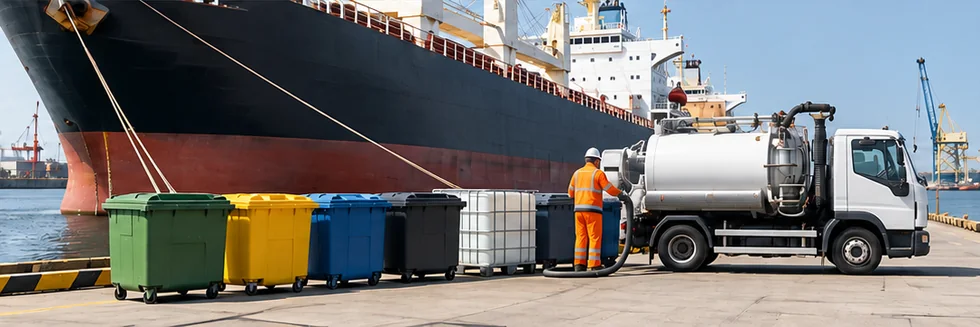
A vessel waste collection fee depends on waste category, reception facility, declared quantity, segregation, and the required disposal certificate. General garbage, oily residues, sewage, and specialized waste can follow different treatment chains. A port's indirect waste contribution may differ from an actual pickup charge. Collection scope must state whether it includes transport, reception, treatment, and disposal rather than assuming every waste-related port line buys the same work.
Key Applications & Industrial Demand
Shipowners, managers, and agents arrange waste reception around onboard storage, voyage plans, port requirements, and available facilities. Demand follows vessel calls and waste accumulation. Proper declarations and separation help match the pickup equipment and authorized treatment route to the material being landed.
Key Factors Influencing Vessel Waste Collection Fee Price Movements
- Waste Composition: Waste category, segregation, contamination, packaging, and handling requirements determine the collection equipment and appropriate treatment route.
- Pickup Quantity and Access: Declared quantity, measurement basis, berth access, launch or truck attendance, and minimum service sizes influence the collection invoice.
- Treatment and Documentation: Reception facility charges, transport, processing, disposal certificate, and exceptional attendance determine how much of the waste chain is included.
How to Interpret Vessel Waste Collection Fee Pricing Data
Read whether the quotation is per vessel, container, mass, volume, or actual collection event. Identify indirect port contributions and separate pickup charges. Request the named waste stream, quantity allowance, treatment scope, and documentation. Oily sludge or hazardous material should not be compared with ordinary bagged garbage prices.
Further reading: Paradip Port Authority: Port Reception Facilities
Frequently Asked Questions About Vessel waste collection fee
What Drives Price Changes for Vessel Waste Collection Fee?
Waste type, volume, access, treatment costs, port schedules, and collection attendance influence vessel waste charges.
How Do Quality or Specification Differences Affect Vessel Waste Collection Fee Pricing?
Authorized reception, handling, separation, treatment, traceability, and documentation define different waste-collection service standards.
Why Can Local Vessel Waste Collection Fee Prices Differ From Global Benchmarks?
Reception infrastructure, disposal routes, labor, transport distance, and local waste-fee systems produce differences between ports.