


Understanding Truck tires Prices
Market Overview & Supply Chain Dynamics
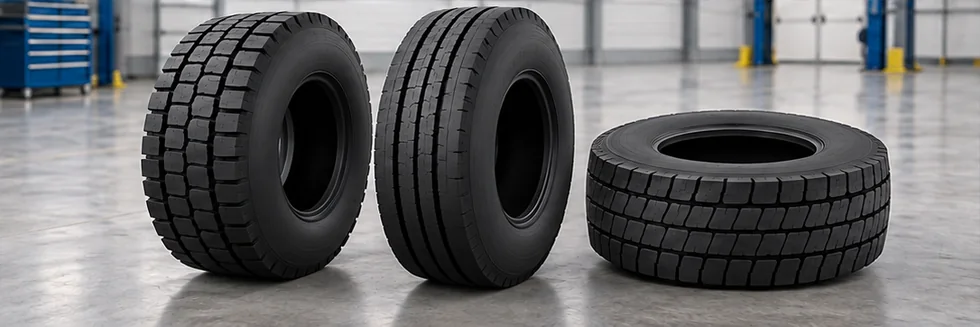
Truck tires carry commercial loads through a reinforced casing and application-specific tread. Axle position, load range, route duty, and retreading suitability distinguish steer, drive, and trailer products. Tread depth and compound influence traction, heat, wear, and rolling behavior, while casing quality affects the value of future retreads. A new tire and a retread are different commercial products even when both fit the same wheel.
Key Applications & Industrial Demand
Haulage fleets, bus operators, construction carriers, and delivery companies buy tires around routes, axle loads, downtime, and maintenance practices. Fleet purchasing often evaluates cost over usable casing life. Long highway running creates different demands from repeated curb contact, frequent stops, or abrasive mixed-road work.
Key Factors Influencing Truck Tires Price Movements
- Load and Axle Design: Axle position, load range, tread pattern, heat behavior, and approved fitment determine whether a truck tire suits the vehicle and route.
- Casing Lifecycle: Casing durability, retreading suitability, damage resistance, and inspection history influence value beyond the first tread's mileage.
- Fleet Procurement: Route duty, replacement schedules, fleet contracts, fitting support, and casing-credit arrangements affect the effective tire purchase cost.
How to Interpret Truck Tires Pricing Data
Compare per-tire prices with full size, load, speed, axle, and route specifications. Include fitting, balancing where applicable, disposal, and any casing exchange. For retreads, identify the accepted casing condition and warranty; price per tire alone omits the remaining service value and downtime implications.
Further reading: Michelin: Truck and Bus Tire Selection Michelin: Tire Retreading
Frequently Asked Questions About Truck tires
What Drives Price Changes for Truck Tires?
Rubber and reinforcement costs, freight activity, fleet replacement, casing supply, and route-specific demand influence truck-tire prices.
How Do Quality or Specification Differences Affect Truck Tires Pricing?
Load capability, heat performance, tread durability, casing strength, and retreadability distinguish commercial tire grades.
Why Can Local Truck Tires Prices Differ From Global Benchmarks?
Bulky freight, fitting services, casing programs, emergency stock, and fleet-service coverage create local differences from factory tire offers.