


Understanding Tanned cowhide leather Prices
Market Overview & Supply Chain Dynamics
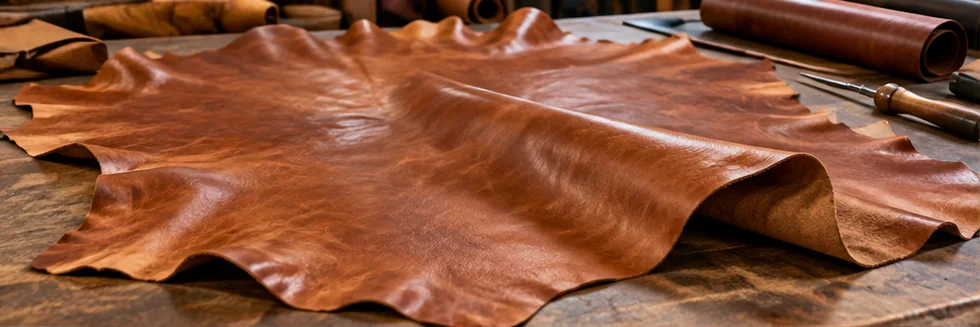
Tanned Cowhide Leather is stabilized hide whose grain layer, tanning method, thickness, surface finish, and usable area define commercial value. Beamhouse preparation, tanning, drying, conditioning, and finishing create different leather types. Full-grain, corrected-grain, and split products should be distinguished. A high measured hide area can still yield few accepted parts if defects fall in critical cutting zones.
Key Applications & Industrial Demand
Footwear, upholstery, bags, belts, garments, and other goods use leather matched to flexibility, strength, appearance, and service. Each application may require different colorfastness, finish durability, and substance. A soft upholstery side is not automatically suitable for a firm belt or heavily stressed shoe component.
Key Factors Influencing Tanned Cowhide Leather Price Movements
- Hide and Yield: Bovine-hide supply, size, damage, grain layer quality, and usable area determine the recovery of acceptable components from each purchase.
- Tanning and Conditioning: Tanning method, chemicals, labor, drying, thickness control, wastewater treatment, and conditioning influence cost and the physical character of leather.
- Finish Qualification: Surface finish, color consistency, abrasion, flexing, fastness, and customer tests create separate product tiers for upholstery, footwear, or leather goods.
How to Interpret Tanned Cowhide Leather Pricing Data
Leather often quotes per square foot, square meter, or hide, sometimes by weight at earlier stages. Align type, thickness, finish, grade, and measurement. Component yield matters: the cheapest measured area may provide more unusable defects or inconsistent thickness.
Further reading: Leather Working Group Material Definitions
Frequently Asked Questions About Tanned cowhide leather
What Drives Price Changes for Tanned Cowhide Leather?
Hide availability, tannery chemicals, energy, labor, environmental treatment, footwear, and upholstery orders influence prices. Selected large clean hides can carry premiums over mixed lower grades.
How Do Quality or Specification Differences Affect Tanned Cowhide Leather Pricing?
Grain or split construction, thickness, defects, softness, finish, colorfastness, flexing, and chemical qualification matter. A smooth coated appearance can conceal a different leather structure.
Why Can Local Tanned Cowhide Leather Prices Differ From Global Benchmarks?
Tannery skill, finishing, freight, duties, local cutting needs, customer approvals, and selected stock affect prices. Yield and consistent matching often matter more than the quoted area alone.