


Understanding Steel angle Prices
Market Overview & Supply Chain Dynamics
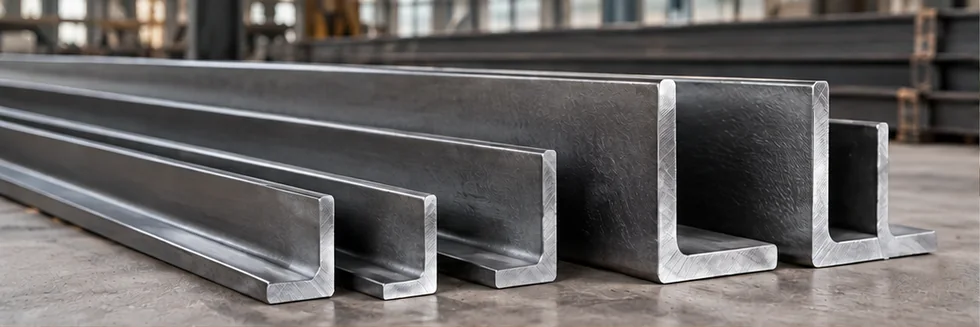
Steel Angle is rolled or formed into an L-shaped section with equal legs or unequal legs. Thickness tolerance, root radius, and yield strength distinguish stock that may look similar in a yard. Hot-rolled and cold-formed products can have different corner geometry and properties. A commercial offer needs the complete leg dimensions, thickness, length, and material specification.
Key Applications & Industrial Demand
Bracing, lattice structures, frames, racks, supports, and miscellaneous metalwork use angles. Fabricators choose sections for bolt layout, weld access, alignment, and structural capacity. Galvanized angles add a protective finishing stage that changes corrosion performance and cost.
Key Factors Influencing Steel Angle Price Movements
- Dimensional Weight: Equal legs, unequal legs, thickness tolerance, and length determine mass per piece, making dimensional accuracy central to purchasing value.
- Connection Requirements: Root radius, straightness, and dimensional consistency affect bolt and weld fit-up, while yield strength must satisfy the structural specification.
- Surface Protection: Galvanizing, pickling, painting, and cut-to-length service create separate commercial scopes, particularly for outdoor supports or corrosive operating environments.
How to Interpret Steel Angle Pricing Data
Angle prices may be per ton, meter, or length. Use the actual leg and thickness designation for conversion. Separate black steel from galvanized or fabricated stock, and include cutting waste where standard stock lengths do not fit the project.
Further reading: AISC Structural Angle Dimensions
Frequently Asked Questions About Steel angle
What Drives Price Changes for Steel Angle?
Steel feedstock costs, rolling schedules, construction and fabrication orders, and local inventory influence angle prices. Small or uncommon dimensions can carry stockholder premiums.
How Do Quality or Specification Differences Affect Steel Angle Pricing?
Leg sizes, thickness, grade, corner geometry, straightness, and coating matter. An undersized angle can look similar yet deliver less weight and lower structural properties.
Why Can Local Steel Angle Prices Differ From Global Benchmarks?
Local cutting, galvanizing, long-length freight, duties, and stock-size availability affect prices. Fabricators may pay more for dimensions that reduce offcuts and assembly work.