


Understanding Shredded steel scrap Prices
Market Overview & Supply Chain Dynamics
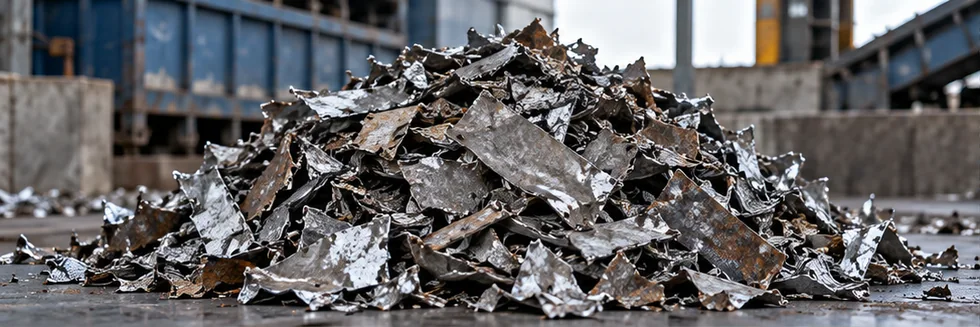
Shredded Steel Scrap is produced through shredder processing of suitable obsolete goods, followed by nonferrous separation and sorting. Residual copper, bulk density, and metallic yield determine how useful the product is to a steel mill. The category is more consistent than unprocessed mixed scrap, but cleanliness and chemistry still vary with feedstock, separation equipment, and operating discipline.
Key Applications & Industrial Demand
Electric-arc furnaces and other steelmaking routes use shredded scrap as recycled iron units. Dense, consistently sized material supports charging and melting, while low residuals broaden the grades a mill can produce. The buyer's steel chemistry determines how much shredded scrap can enter the charge.
Key Factors Influencing Shredded Steel Scrap Price Movements
- Scrap Collection: Obsolete-goods availability, demolition activity, vehicle recycling, and collection prices influence shredder feed and the volume of processed ferrous material offered.
- Separation Quality: Nonferrous separation and residual copper control affect acceptance, especially where steelmakers need chemistry that cannot be corrected economically during melting.
- Usable Charge Value: Bulk density and metallic yield influence freight efficiency, furnace loading, energy use, and the amount of saleable steel recovered from each ton.
How to Interpret Shredded Steel Scrap Pricing Data
Scrap may be priced per metric ton, short ton, or gross ton, so weight conversion matters. Compare the actual shred specification, contamination allowance, residuals, and delivery point. A per-ton discount can disappear if dirt, nonmetallics, or low yield raise melt costs.
Further reading: World Steel Association: Recycled Steel Feedstocks
Frequently Asked Questions About Shredded steel scrap
What Drives Price Changes for Shredded Steel Scrap?
Collection flows, mill operating rates, export buying, freight, and competing metallics influence prices. Shredder outages can tighten clean processed scrap despite abundant unprepared feed.
How Do Quality or Specification Differences Affect Shredded Steel Scrap Pricing?
Density, sizing, nonmetallic contamination, copper and other residuals, and yield determine value. Similar appearance does not guarantee the chemistry needed for a demanding steel grade.
Why Can Local Shredded Steel Scrap Prices Differ From Global Benchmarks?
Collection networks, rail or barge access, export terminals, mill location, and shipping cost influence prices. Different ton conventions can also create misleading apparent price gaps.