


Understanding Scallops Prices
Market Overview & Supply Chain Dynamics
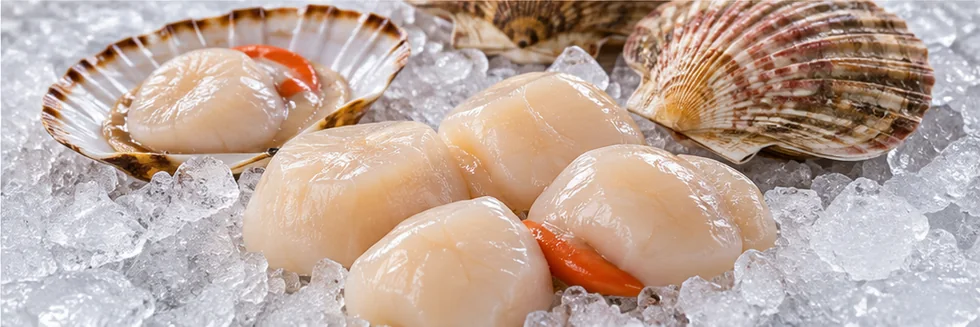
Scallops can mean whole shellfish or the adductor muscle sold as meat. Roe-on presentation and count size distinguish important markets. Water treatment affects composition and cooking recovery, so a dry-pack claim requires clear specification rather than assumption. Fresh chilled meats, frozen glazed portions, and whole shells have different edible yields and handling requirements.
Key Applications & Industrial Demand
Restaurants, premium retail, ready meals, and seafood processors buy scallops for portion size, texture, and appearance. Searing applications place particular value on moisture behavior, while roe preferences vary by destination.
Key Factors Influencing Scallops Price Movements
- Meat Grade: Adductor muscle size, count size, species, color, and breakage determine the portion grade available to buyers.
- Composition and Presentation: Roe-on status, water treatment, dry-pack specification, and glaze influence net edible value and cooking performance.
- Fishery and Premium Demand: Harvest access, landings, processing recovery, cold stocks, and restaurant orders influence scallop-meat premiums.
How to Interpret Scallops Pricing Data
Compare currency per kilogram or pound with species, count, roe, treatment, preservation, and net weight identified. Whole-shell prices require meat-yield adjustment. For frozen offers, separate glaze from meat; for treated products, evaluate thaw and cooking recovery.
Further reading: EUMOFA: Scallop Species and Markets
Frequently Asked Questions About Scallops
What drives price changes for Scallops?
Fishery supply, meat-size distribution, preparation, frozen stocks, and premium seafood demand influence scallop prices.
How do quality or specification differences affect Scallops pricing?
Species, size count, roe, treatment, moisture behavior, breakage, and chilled or frozen condition distinguish offers.
Why can local Scallops prices differ from global benchmarks?
Shucking, roe selection, treatment, cold freight, import access, and restaurant portion preferences create regional premiums.