


Understanding Sawn oak lumber Prices
Market Overview & Supply Chain Dynamics
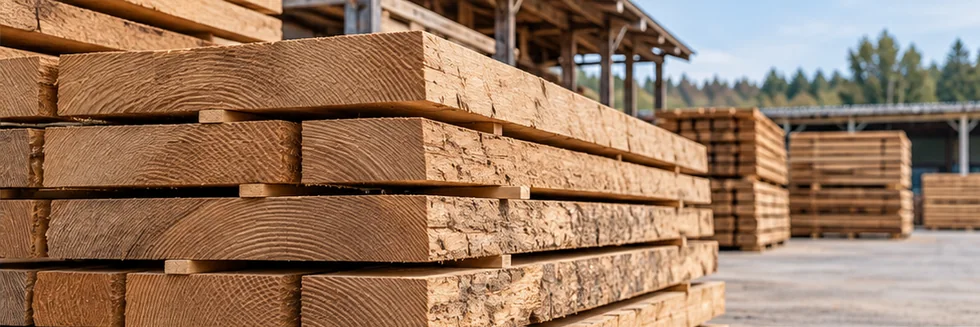
Sawn Oak Lumber includes red and white oak groups with different properties and commercial uses. Sawing orientation, drying defects, clear-cutting yield, and moisture content influence value. Mills grade and dry boards before furniture, flooring, or joinery production. A high-looking price per cubic meter may still provide better component yield if wide clear sections reduce trimming and defects.
Key Applications & Industrial Demand
Furniture, flooring, cabinetry, joinery, and selected cooperage or structural uses consume suitable oak. Appearance and grain are important, but the specific oak group matters to durability and liquid-contact applications. Buyers cannot assume all oak sold under a broad name behaves identically.
Key Factors Influencing Sawn Oak Lumber Price Movements
- Species and Log Quality: Red and white oak supply, log diameter, grade, and clear-cutting yield influence recovery of valuable boards from each log.
- Grain and Drying: Sawing orientation, moisture content, drying defects, and kiln schedules affect appearance, stability, and the cost of accepted dry lumber.
- Component Demand: Flooring, furniture, joinery, export orders, and preferred board widths change demand for particular oak grades and cutting patterns.
How to Interpret Sawn Oak Lumber Pricing Data
Oak can be priced per cubic meter, board foot, or pack. Align species group, grade, thickness, width range, moisture, and surface preparation. Calculate the yield of required parts: an inexpensive mixed pack can create more waste than selected higher-grade boards.
Further reading: USDA Hardwood Properties and Lumber Handbook
Frequently Asked Questions About Sawn oak lumber
What Drives Price Changes for Sawn Oak Lumber?
Hardwood log availability, drying capacity, furniture and flooring orders, export demand, and freight move prices. Wide clear or quarter-sawn material can develop distinct premiums.
How Do Quality or Specification Differences Affect Sawn Oak Lumber Pricing?
Oak group, clear area, knots, checking, moisture, sawing pattern, thickness, and color consistency matter. Better component yield can justify a higher board price.
Why Can Local Sawn Oak Lumber Prices Differ From Global Benchmarks?
Sawmill access, kiln time, shipping, duties, local furniture demand, and available dimensions affect prices. Regional preferences for red or white oak also change the premium.