


Understanding Rubber conveyor belt Prices
Market Overview & Supply Chain Dynamics
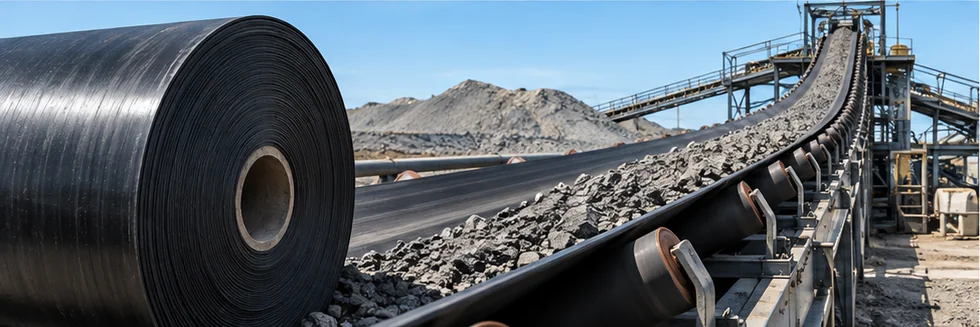
Rubber Conveyor Belt combines a load-bearing carcass with protective rubber covers. Carcass strength, cover thickness, abrasion resistance, belt width, and splicing requirements define the product. Textile-ply and steel-cord belts occupy different duty ranges. Manufacturing includes reinforcement preparation, calendering, assembly, and vulcanization, so a belt quote represents a designed composite rather than raw rubber by weight.
Key Applications & Industrial Demand
Mining, quarrying, cement, agriculture, ports, and manufacturing move material on conveyor belts. Oil, heat, flame, food-contact, and impact exposure can require specific covers. Material lump size, conveyor length, and tension determine reinforcement and protection needs.
Key Factors Influencing Rubber Conveyor Belt Price Movements
- Reinforcement Design: Carcass strength, ply count, steel-cord construction, and belt width affect structural capacity and the amount of costly reinforcement used.
- Cover Durability: Cover thickness and abrasion resistance determine wear life, while heat, oil, or flame requirements can require different rubber compounds.
- Installation Scope: Splicing materials, joint preparation, field labor, transport rolls, and commissioning can make installed belt cost differ substantially from a factory quotation.
How to Interpret Rubber Conveyor Belt Pricing Data
Belts may be quoted per meter, square meter, or complete roll. Align width, carcass rating, covers, length, and splice scope. A cheap meter of thinner or lower-tension belt may provide less service life or fail to suit the conveyor.
Further reading: Continental Conveyor Belt Solutions
Frequently Asked Questions About Rubber conveyor belt
What Drives Price Changes for Rubber Conveyor Belt?
Rubber, textile or steel reinforcement, energy, plant schedules, and mining or infrastructure orders influence prices. Specialty covers and large custom dimensions add lead time.
How Do Quality or Specification Differences Affect Rubber Conveyor Belt Pricing?
Tensile rating, cover compounds, thickness, abrasion behavior, adhesion, and certifications matter. Similar-looking belts can have very different resistance to load, heat, or flame.
Why Can Local Rubber Conveyor Belt Prices Differ From Global Benchmarks?
Roll transport, site access, installation, splicing labor, duty, and local service capability affect cost. Remote conveyor replacement can be dominated by logistics and downtime requirements.