


Understanding Rice bran Prices
Market Overview & Supply Chain Dynamics
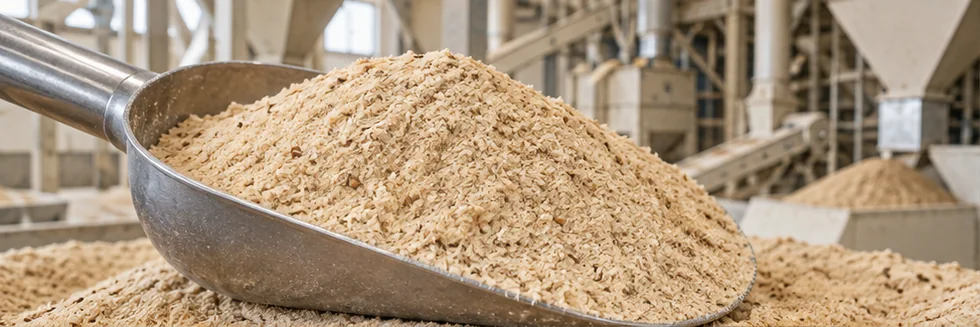
Rice Bran is separated during rice milling and can contain varying amounts of associated kernel material. Lipase activity can accelerate fat deterioration unless stabilization protects the product. Residual oil, hull contamination, and particle composition determine nutritional value. Full-fat bran, defatted bran, and mixtures with more rice polish or hull material should therefore remain separate feed ingredients.
Key Applications & Industrial Demand
Livestock, poultry, aquaculture feeds, oil extraction, and selected food-ingredient programs use rice-bran products. Buyers need appropriate freshness and composition; low-priced material with substantial hulls can provide less useful energy and protein.
Key Factors Influencing Rice Bran Price Movements
- Milling Fraction: Particle composition, hull contamination, and rice-mill settings determine fiber, starch, and usable nutrient density.
- Fat Stability: Lipase activity, stabilization, residual oil, storage temperature, and age influence rancidity risk and acceptance.
- Local Milling Flow: Rice throughput, oil-extraction demand, nearby feed orders, drying, and transport affect availability of fresh bran.
How to Interpret Rice Bran Pricing Data
Compare currency per kilogram or metric ton with moisture, oil, fiber, ash, stabilization, and freshness stated. Identify full-fat versus defatted form. Local milling prices need transport and storage-loss adjustments before representing a feed mill's usable cost.
Further reading: Feedipedia: Rice Bran and Milling Byproducts
Frequently Asked Questions About Rice bran
What drives price changes for Rice Bran?
Rice-milling output, freshness, oil demand, feed purchases, stabilization, and local transport influence bran prices.
How do quality or specification differences affect Rice Bran pricing?
Oil, fiber, hull content, ash, moisture, stabilization, and storage condition determine nutritional value.
Why can local Rice Bran prices differ from global benchmarks?
Bran composition, rapid deterioration risk, nearby mills, oil plants, feed demand, and freight make this a strongly local ingredient market.