


Understanding Retail space rent Prices
Market Overview & Supply Chain Dynamics
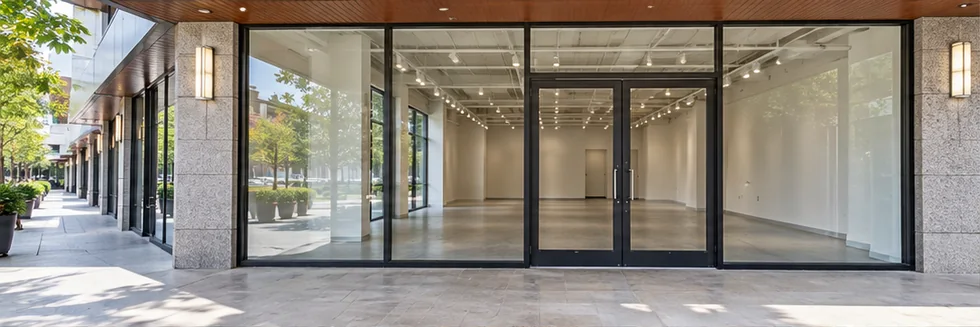
Retail space rent buys access to a trading location with defined frontage, foot traffic, permitted use, and premises condition. Turnover rent and a fit-out period can change the lease economics. A street shop, mall unit, kiosk, and upper-floor retail space offer different customer access. Loading, storage, signage, utilities, and operating-hour obligations can be as important as the charged floor area.
Key Applications & Industrial Demand
Retailers, food businesses, service operators, and brands lease shops around customer catchment, visibility, product mix, and expected sales. Demand follows local spending, tourism, competing outlets, and development supply. A high-traffic location can still be unsuitable if access, permitted use, or fit-out requirements do not match the business.
Key Factors Influencing Retail Space Rent Price Movements
- Trading Location: Frontage, foot traffic, customer access, visibility, neighboring tenants, and catchment determine the commercial position of the premises.
- Operational Suitability: Permitted use, ventilation, loading, storage, electrical capacity, and fit-out condition influence the work needed before opening.
- Rental Structure: Base rent, turnover rent, service charges, fit-out period, term, and required trading hours determine the full occupancy commitment.
How to Interpret Retail Space Rent Pricing Data
Compare rent per area or per shop with the measurement method, floor, and trading use stated. Identify service charges, promotion levies, deposits, turnover components, taxes, and fit-out obligations. A mall's face rent and a street shop's simple monthly rent may have very different included costs and operating conditions.
Further reading: RICS: Property Measurement and Usable Areas
Frequently Asked Questions About Retail space rent
What Drives Price Changes for Retail Space Rent?
Customer traffic, retail spending, vacancy, tenant demand, location, and lease incentives influence retail rents.
How Do Quality or Specification Differences Affect Retail Space Rent Pricing?
Frontage, visibility, customer access, permitted activity, fit-out, services, and loading arrangements distinguish retail units.
Why Can Local Retail Space Rent Prices Differ From Global Benchmarks?
Catchment spending, tourism, urban access, competing stores, local supply, and lease structures produce local retail-rent differences.