


Understanding Residential water service Prices
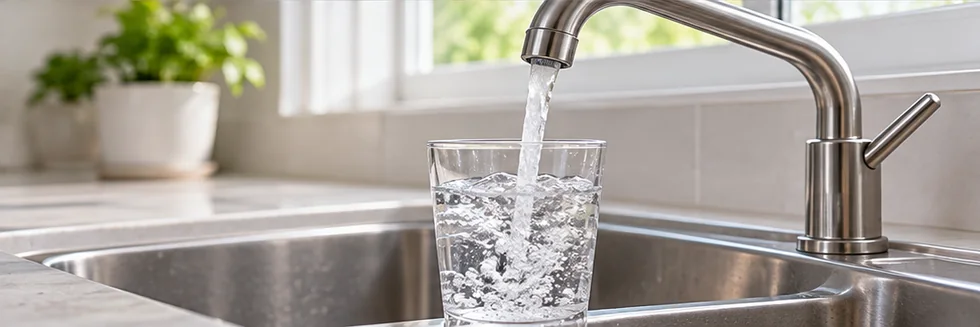
Market Overview & Supply Chain Dynamics
Residential Water Service covers potable treatment and delivery through a pressurized pipe network. Distribution pressure, leakage control, storage, and disinfection support reliable domestic supply. Within each service territory, the tariff usually combines metered volume with a fixed component, although the structure varies. Water reaching a household tap is therefore a network service rather than the raw water available in a reservoir.
Key Applications & Industrial Demand
Homes use the supply for drinking, cooking, bathing, cleaning, and sanitation. Occupancy, plumbing efficiency, garden watering, and hidden leaks shape demand. Apartment submetering can introduce building-management charges that differ from the utility's direct household tariff.
Key Factors Influencing Residential Water Service Price Movements
- Treatment and Energy: Potable treatment chemicals, pumping electricity, and raw-water quality affect the cost of meeting domestic supply requirements.
- Network Condition: Distribution pressure, leakage, pipe renewal, and storage investment influence the infrastructure cost recovered across the service territory.
- Consumption Bands: Metered volume and the fixed component determine the effective bill, with larger households potentially entering different tariff blocks.
How to Interpret Residential Water Service Pricing Data
Interpret charges in local currency per cubic meter or the stated gallon-based measure. Separate fixed connection costs, wastewater fees, and tax from drinking-water consumption. Compare equivalent household use because increasing-block schedules can change the average cost as demand rises.
Further reading: EPA: Water Rate Structures
Frequently Asked Questions About Residential water service
What drives price changes for Residential Water Service?
Tariff reviews reflect treatment, pumping, maintenance, and infrastructure costs. Household usage and leaks can change the bill without a rate revision.
How do quality or specification differences affect Residential Water Service pricing?
Customer class, meter size, volumetric bands, and included sanitation charges distinguish bills. Potability requirements do not make all local tariff structures identical.
Why can local Residential Water Service prices differ from global benchmarks?
Water is supplied through local infrastructure. Treatment difficulty, topography, pipe condition, and the population funding that network produce territory-specific costs.