


Understanding Refined, bleached and deodorized palm oil (RBD) Prices
Market Overview & Supply Chain Dynamics
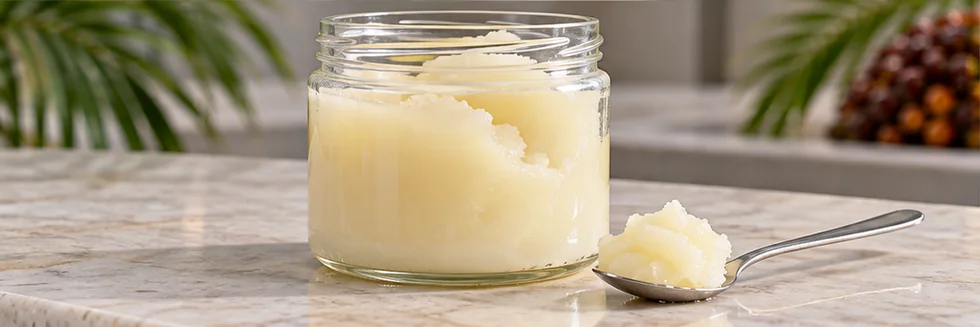
Refined, Bleached and Deodorized Palm Oil (RBD) is produced by removing impurities and free fatty acids, applying bleaching earth, and performing deodorization. Oxidation quality and color determine acceptance after refining. Fractionation is a further operation producing liquid olein and harder stearin; ordinary RBD palm oil should therefore not be automatically equated with either fraction.
Key Applications & Industrial Demand
Food manufacturers, frying operations, shortening producers, and ingredient processors use palm-derived oils according to melting behavior and recipe needs. A liquid frying formulation and a harder bakery fat can require different fractionated or blended products.
Key Factors Influencing Refined, Bleached and Deodorized Palm Oil (RBD) Price Movements
- Refining Recovery: Crude-oil cost, free fatty acids, bleaching earth consumption, energy, and deodorization efficiency determine refinery economics.
- Functional Identity: Fractionation, melting profile, color, and oxidation quality distinguish the precise oil or fraction accepted by a food manufacturer.
- Edible-Oil Balance: Palm output, competing oils, refinery availability, food orders, sustainability requirements, and tank freight influence delivered RBD supply.
How to Interpret Refined, Bleached and Deodorized Palm Oil (RBD) Pricing Data
Compare currency per metric ton with RBD versus olein or stearin identity, acidity, color, moisture, and delivery specified. Crude palm oil prices need refining and logistics adjustments. Bulk tank, drum, and consumer-pack prices contain different preparation costs.
Further reading: Malaysian Palm Oil Board: Refining and Fractionation
Frequently Asked Questions About Refined, bleached and deodorized palm oil (RBD)
What drives price changes for Refined, Bleached and Deodorized Palm Oil (RBD)?
Crude palm supply, refining costs, food demand, competing oils, export conditions, and freight influence RBD palm-oil prices.
How do quality or specification differences affect Refined, Bleached and Deodorized Palm Oil (RBD) pricing?
Acidity, color, oxidation condition, traceability, and fraction identity distinguish products. RBD palm oil, olein, and stearin have different functionality.
Why can local Refined, Bleached and Deodorized Palm Oil (RBD) prices differ from global benchmarks?
Refining, fractionation, tank transport, import charges, packaging, and local food specifications add costs beyond crude palm-oil benchmarks.