


Understanding Ready-to-cook duck Prices
Market Overview & Supply Chain Dynamics
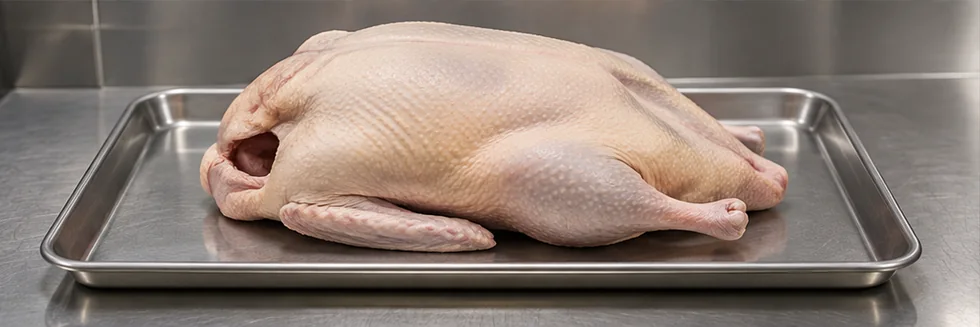
Ready-to-Cook Duck is a dressed raw bird requiring cooking. Dressed weight, giblet inclusion, and head or feet presentation define the pack. Pinfeathers and skin integrity matter particularly for roasting, while fat cover affects cooking yield. The product should not be confused with a cooked roast duck or a live bird priced before slaughter and preparation.
Key Applications & Industrial Demand
Roasting specialists, restaurants, retailers, and catering buyers select duck by breed where declared, carcass size, skin condition, and preparation. Uniform birds help standardize roasting time and serving yield.
Key Factors Influencing Ready-to-Cook Duck Price Movements
- Dressing Recovery: Dressed weight, giblet inclusion, head and feet preparation, and trimming determine the quantity actually supplied.
- Roasting Suitability: Pinfeathers, skin integrity, fat cover, bruising, and carcass size influence presentation and cooking yield.
- Duck Production Cycle: Feed costs, flock availability, processing capacity, cultural food occasions, and restaurant orders affect duck-specific demand.
How to Interpret Ready-to-Cook Duck Pricing Data
Compare currency per bird or kilogram with dressed weight, organs, head and feet, preservation state, and packing stated. Include cleaning and trimming costs if pinfeathers or excess fat remain. A frozen imported duck differs commercially from a locally chilled dressed bird.
Further reading: USDA: Ready-to-Cook Poultry Standards
Frequently Asked Questions About Ready-to-cook duck
What drives price changes for Ready-to-Cook Duck?
Duck flock output, feed costs, dressing labor, restaurant orders, and seasonal culinary demand influence prices.
How do quality or specification differences affect Ready-to-Cook Duck pricing?
Breed, carcass size, skin, feathers, fat, organ inclusion, and chilled or frozen state distinguish prepared raw ducks.
Why can local Ready-to-Cook Duck prices differ from global benchmarks?
Local bird preferences, slaughter preparation, chilling, freight, import rules, and roasting-market demand create regional differences.