


Understanding Reactive power charge Prices
Market Overview & Supply Chain Dynamics
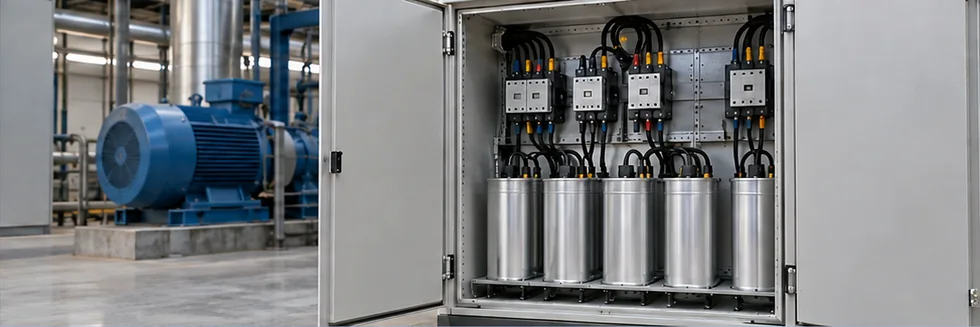
A Reactive Power Charge accounts for electrical demand that supports magnetic fields without becoming useful active energy at the load. An inductive load such as a motor or transformer can reduce power factor and increase network current. Charges may use kilovar-hour consumption, reactive demand, or a penalty formula. A capacitor bank can help, although harmonics require careful engineering assessment.
Key Applications & Industrial Demand
Factories and commercial buildings with substantial motor, transformer, or magnetic-lighting loads may manage reactive charges through compensation and operating practices. The objective is to reduce unnecessary network loading while maintaining acceptable voltage and avoiding resonance or overcompensation.
Key Factors Influencing Reactive Power Charge Price Movements
- Inductive Equipment Mix: The number and loading of motors and transformers influence power factor, particularly where oversized equipment runs lightly loaded.
- Compensation Performance: A capacitor bank must track operating conditions; failed stages or poor switching can leave reactive demand higher than expected.
- Tariff Measurement Rules: Kilovar-hour thresholds, demand windows, and harmonics-related equipment constraints influence both billable exposure and the cost of corrective measures.
How to Interpret Reactive Power Charge Pricing Data
Identify whether the bill uses reactive energy, apparent demand, or a power-factor adjustment. Currency per kilovar-hour cannot be treated as a kilowatt-hour energy price. Check the threshold, measurement period, and treatment of leading reactive power before estimating savings.
Further reading: DOE: Electricity Rate Structures
Frequently Asked Questions About Reactive power charge
What drives price changes for Reactive Power Charge?
Tariff thresholds and reactive usage determine the bill. Changes in equipment loading or failed compensation can raise charges even if active energy remains stable.
How do quality or specification differences affect Reactive Power Charge pricing?
Reactive-energy billing, apparent-power demand, and power-factor penalties are different mechanisms. Their thresholds and measurement windows produce different costs for the same installation.
Why can local Reactive Power Charge prices differ from global benchmarks?
Reactive charges address local network capacity and voltage management. Grid design, metering policy, and allowed power-factor limits vary across electrical systems.