


Understanding Rapeseed meal Prices
Market Overview & Supply Chain Dynamics
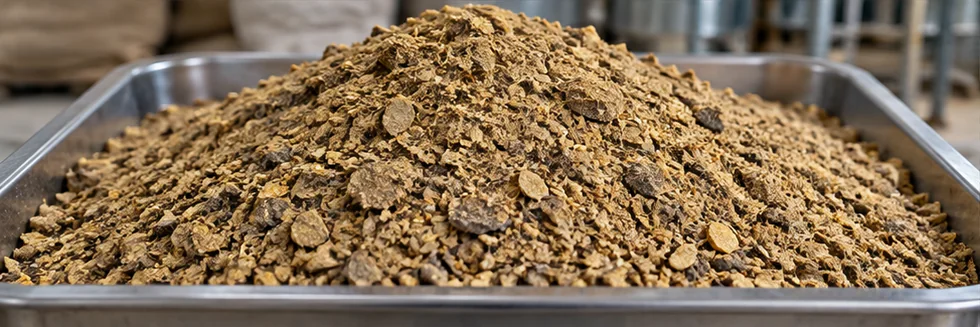
Rapeseed Meal supplies protein after oil extraction, with glucosinolates, fiber, and amino-acid balance distinguishing it from soybean meal. Protein digestibility depends partly on processing, while residual oil varies between extraction routes. Low-glucosinolate canola-derived meal and other rapeseed meals need their specific identity and composition retained when evaluated for a feed formula.
Key Applications & Industrial Demand
Dairy, livestock, poultry, and other feed programs use suitable rapeseed meals according to species and ration constraints. Its value depends on the nutrients and digestibility delivered, not a fixed percentage discount to soybean meal.
Key Factors Influencing Rapeseed Meal Price Movements
- Meal Composition: Glucosinolates, fiber, residual oil, and moisture determine the practical nutrient package available to the feed mill.
- Protein Function: Protein digestibility, amino-acid balance, and heat treatment influence substitution value relative to other feed proteins.
- Oilseed Processing: Rapeseed harvests, oil prices, crushing output, dairy-feed demand, and regional transport affect meal supply and basis.
How to Interpret Rapeseed Meal Pricing Data
Compare currency per metric ton with protein, moisture, fiber, oil, glucosinolates, and processing basis specified. Evaluate the relevant digestible amino acids and energy. Expeller cake and solvent-extracted meal have different composition and transport value.
Further reading: Feedipedia: Rapeseed Meal
Frequently Asked Questions About Rapeseed meal
What drives price changes for Rapeseed Meal?
Rapeseed costs, oil extraction, competing protein meals, livestock demand, and freight influence prices.
How do quality or specification differences affect Rapeseed Meal pricing?
Protein, digestibility, glucosinolates, fiber, fat, moisture, and extraction route determine nutritional suitability.
Why can local Rapeseed Meal prices differ from global benchmarks?
Nearby crushers, meal type, feed-species demand, storage, import access, and freight create a regional delivered basis.