


Understanding PV power optimizer Prices
Market Overview & Supply Chain Dynamics
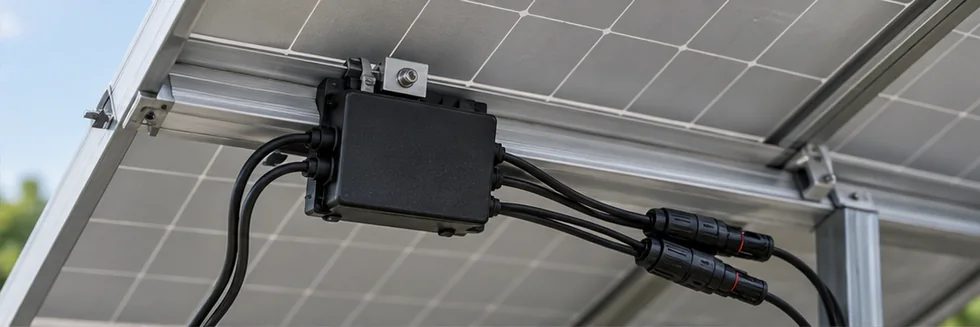
A PV Power Optimizer uses DC-DC conversion and module-level MPPT to manage a solar panel's operating point. Input current and voltage limits must suit the module. Some systems add rapid shutdown and detailed monitoring granularity. The optimizer usually works with a separate inverter, so its benefits and compatibility depend on the overall photovoltaic architecture.
Key Applications & Industrial Demand
Shaded roofs, mixed orientations, and layouts with uneven module performance can benefit from individual tracking. Module-level diagnostics may also help installers locate faults, although added rooftop electronics introduce extra hardware and service considerations.
Key Factors Influencing PV Power Optimizer Price Movements
- Module Compatibility: Input current, voltage limits, and DC-DC conversion design determine whether the device supports the selected high-power solar modules.
- Mismatch Recovery: Module-level MPPT has different economic value on a shaded or mixed-orientation roof than on a uniform unshaded array.
- Safety and Diagnostics: Rapid shutdown, monitoring granularity, communications, and warranty support influence functionality and the lifetime servicing cost.
How to Interpret PV Power Optimizer Pricing Data
Read quotations per optimizer and determine how many modules each device serves. Compare voltage and current limits, approved inverter combinations, monitoring access, and shutdown functions. Total system economics must include extra equipment and rooftop installation labor.
Further reading: Australian Government: Inverter Architectures
Frequently Asked Questions About PV power optimizer
What drives price changes for PV Power Optimizer?
Power-electronics costs, rooftop-solar demand, module power ratings, product compatibility, and required safety features influence optimizer prices.
How do quality or specification differences affect PV Power Optimizer pricing?
Input limits, modules served, tracking behavior, approved inverter pairing, shutdown features, and monitoring access distinguish optimizer designs.
Why can local PV Power Optimizer prices differ from global benchmarks?
Installation practices, electrical requirements, regional product approval, import costs, and installer support create local price differences.