


Understanding PU synthetic leather Prices
Market Overview & Supply Chain Dynamics
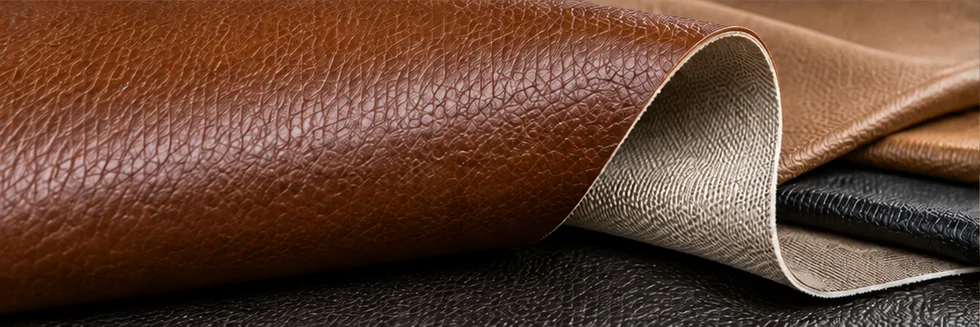
PU Synthetic Leather combines a polyurethane coating with textile backing or another engineered support. Hydrolysis resistance, abrasion resistance, flex endurance, and construction distinguish grades. Coating, coagulation where used, embossing, coloring, and finishing create a leather-like surface. It is a manufactured composite rather than tanned hide, and a similar grain pattern does not establish equal durability in warm, humid, or heavily flexed use.
Key Applications & Industrial Demand
Footwear, furniture, bags, vehicle interiors, garments, and other products use appropriate PU composites. Buyers specify hand, backing, thickness, color, and performance. Material suited to decorative panels may not survive the repeated bending of footwear or demanding automotive service.
Key Factors Influencing PU Synthetic Leather Price Movements
- Resin and Support Costs: Polyurethane coating chemistry, textile backing, solvents or waterborne processing, energy, and coating yield influence manufacturing cost.
- Durability Requirements: Hydrolysis resistance, abrasion resistance, flex endurance, adhesion, and aging tests determine whether a material can serve the intended product.
- Appearance and Construction: Thickness, foam or compact layers, embossing, finish, color matching, and order size create separate grades despite superficially similar leather-look textures.
How to Interpret PU Synthetic Leather Pricing Data
PU synthetic leather commonly quotes per linear meter or yard with width and thickness stated. Compare backing, PU system, test conditions, finish, and usable area. Tanned leather prices use different material and yield conventions, while a cheap narrow roll can provide less cuttable surface.
Further reading: Covestro Polyurethane Leather-Look Textile Coatings
Frequently Asked Questions About PU synthetic leather
What Drives Price Changes for PU Synthetic Leather?
PU inputs, backing textiles, energy, coating-line capacity, footwear, furniture, and vehicle orders influence prices. High-hydrolysis or automotive-qualified grades can retain separate premiums.
How Do Quality or Specification Differences Affect PU Synthetic Leather Pricing?
Backing, coating chemistry, thickness, adhesion, abrasion, flexing, hydrolysis, fastness, and defects matter. A convincing leather grain does not prove long-term surface durability.
Why Can Local PU Synthetic Leather Prices Differ From Global Benchmarks?
Local coating capability, textile supply, freight, duties, qualified testing, minimum colors, and stock widths affect prices. Approved consistent rolls can reduce component rejection and field failures.