


Understanding Precipitated silica Prices
Market Overview & Supply Chain Dynamics
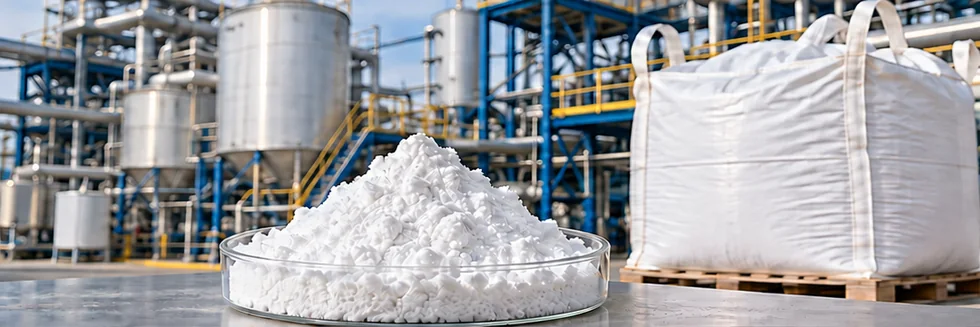
Precipitated Silica is synthetic amorphous silica formed by controlled precipitation, washing, drying, and finishing. BET surface area, aggregate structure, moisture, and dispersibility distinguish commercial grades. Tire applications frequently combine silica with silane coupling chemistry, whereas carrier or toothpaste grades require different characteristics. Powder, granule, and highly dispersible forms therefore represent more than packaging variations; they change handling and end-product performance.
Key Applications & Industrial Demand
Tires use reinforcing silica to balance rolling resistance, grip, and wear within a complete compound design. Other outlets include toothpaste, food or industrial carriers, coatings, and elastomer products. Purity and application approval create separate markets for non-tire grades.
Key Factors Influencing Precipitated Silica Price Movements
- Structure Development: Precipitation control, BET surface area, and aggregate structure determine reinforcement or adsorption behavior and the complexity of manufacturing a qualified grade.
- Tire Compounding Needs: Silane coupling, dispersibility, and compound-design requirements influence tire makers' purchasing, limiting easy substitution between silica grades.
- Drying and Handling: Energy-intensive drying, moisture targets, dust control, granulation, and low-density transport affect the delivered economics of synthetic silica.
How to Interpret Precipitated Silica Pricing Data
Silica is usually priced by kilogram or metric ton, with bulk density and moisture affecting freight and usable solids. Compare the intended application and surface characteristics. A general-purpose carrier grade is not equivalent to a highly dispersible tire-reinforcement grade.
Further reading: Evonik Silica Product and Application Resources
Frequently Asked Questions About Precipitated silica
What drives price changes for Precipitated Silica?
Silicate feedstocks, energy, drying capacity, tire production, and specialty demand influence prices. Qualified high-dispersibility grades can follow a different balance from general-purpose powder.
How do quality or specification differences affect Precipitated Silica pricing?
Surface area, structure, dispersibility, pH, moisture, purity, and physical form determine value. Application approvals can matter as much as the nominal silica content.
Why can local Precipitated Silica prices differ from global benchmarks?
Bulky freight, local tire demand, technical support, bagging, and availability of approved grades affect delivered prices. Low bulk density can make transport a significant component.