
Price CloudO3GLOBAL COMMODITY MARKETS
English (US) Language
PP fiber grade icon
PLASTICS AND POLYMERS · SOURCES REPORT DIFFERENT PRICE TYPES

PP Fiber Grade Latest Prices

PP Fiber Grade price guide covering spinnability, melt-flow rate, gel defects, stabilization, and the distinct requirements of fiber processes.

Download history CSV ↓
Price series · 2

Price series — PP fiber grade

Sources report different price types Sources may update at different intervals

Exact item match: 1Related benchmark: 1Within recorded date window: 2Outside date range: 0No latest observation: 0Live reference: 0
Clear filters
Showing 1–2 of 2 Price seriesPage 1 / 1
Price series PP fiber grade
Provider / SourceCountry / market / CurrencyLatest priceObserved date / published periodFrequencyMappingStatusSource
MadeInChina.PublicSupplierPP fiberraylane2023.en.made-in-china.com:2048377912MadeInChina.PublicSupplier CN · Huzhou Raylane New Materials Co., Ltd; public supplier offerUSD / kg 0.90 – 1.20USD / kg 10/24/2026First recorded (UTC)Last recorded by crawler: Supplier advertised quantity tierCurrent price · Reference snapshot
Series detailsAdvertised product title: Factory Price Virgin PP Pellets Fiber Grade Luqing Y26 for Nonwoven FabricNative sku: 2048377912Quantity from: 1000Quantity to: not_statedQuantity upper bound: stated_range_or_minimumSource quantity and unit: 1,000 kg(MOQ)Supplier: Huzhou Raylane New Materials Co., LtdSupplier property:Appearance: Clear PelletsSupplier property:Application: Spunbond Nonwoven, Staple Fiber, Shopping BagsSupplier property:CAS No.: 9003-07-0Supplier property:Color: WhiteSupplier property:EINECS: 202-316-6Supplier property:Feature: PhotodegradableSupplier property:Formula: (C3h6)NSupplier property:HS Code: 3902100090Supplier property:MOQ: 1 TonSupplier property:Material: Polypropylene/PPSupplier property:Mfr: 25.4 G/10minSupplier property:Model NO.: Y26Supplier property:Origin: ChinaSupplier property:Plastic Forming Method: ExtrusionSupplier property:Plastic Properties After Heated: Thermoplastic PlasticsSupplier property:Tensile Strength at Yield: >31.6Supplier property:Trademark: LuqingSupplier property:Usage: General PlasticsPublication effective date not disclosedNo historical daily prices generatedSupplier advertised not completed transactionConditional quantity tier or price rangeSupplier claims not independently certifiedCatalog mapping benchmark specific supplier spec retainedFreight tax delivery terms not inferred
Related benchmark Within recorded date window Source ↗History
100ppi.PublicSupplierQuotesPP fiber414100ppi.PublicSupplierQuotes CN · 上海市/宝山区CNY / t 11,800.00CNY / t 11/17/2026 Supplier published market or factory offerDaily · Published period
Series detailsBrand or origin: 宁波台塑Delivery location: 上海市/宝山区Native product name: PPNative specification: 1040F纤维级PP聚丙烯Quote type: 市场价Reporting trader: 上海捷钧塑料科技有限公司Supplier published quote not completed transactionTax delivery and MOQ not disclosedPublic first listing page only
Exact item match Within recorded date window Source ↗History

Price history

Each source has its own currency and unit · Sources may update at different intervals
No data in this range. View full history →

Historical price table

Actual publication periods; missing periods are not interpolated
0 records
Price history PP fiber grade — Each source has its own currency and unit
PeriodPrice (Each source has its own currency and unit)Source
No records in this range.

Definition: Polypropylene resin formulated for fiber, filament, or nonwoven production.

Key Specifications and Terms:

Understanding PP fiber grade Prices
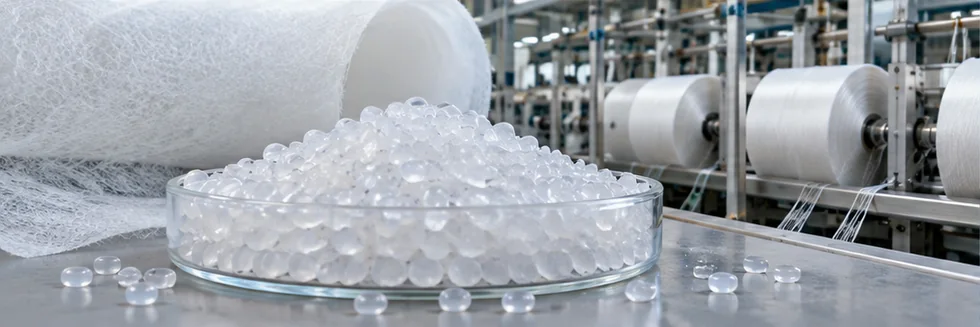
Polypropylene resin pellets with nonwoven production equipment behind.
Illustrative image for the PP Fiber Grade market guide.

Market Overview & Supply Chain Dynamics

PP Fiber Grade is polypropylene selected for spinnability rather than merely molding performance. Melt-flow rate, molecular-weight distribution, gel defects, and thermal stabilization influence whether a spinning line can operate consistently. Staple fiber, continuous filament, spunbond, and meltblown processes require different rheology. The fiber-grade market therefore includes several resin windows, and a high-flow molding pellet is not automatically a suitable nonwoven feedstock.

Key Applications & Industrial Demand

Hygiene nonwovens, carpets, geotextiles, ropes, and industrial fabrics consume polypropylene fibers. Purchasers value filament uniformity, strength, softness, and stable high-speed processing. Medical or hygiene applications can impose additional cleanliness and qualification requirements on resin and additives.

Key Factors Influencing PP Fiber Grade Price Movements

  • Spinning-Line Performance: Spinnability, gel defects, and molecular-weight distribution affect filament breaks, throughput, and waste, supporting premiums for consistently controlled fiber resin.
  • Process-Specific Rheology: Melt-flow rate requirements differ among staple, filament, spunbond, and meltblown production, so availability in one grade does not guarantee supply for another.
  • Hygiene and Textile Orders: Nonwoven, carpet, and technical-textile demand influence consumption, while thermal stabilization and cleanliness approvals constrain substitution on qualified production lines.

How to Interpret PP Fiber Grade Pricing Data

Resin quotations commonly use kilograms or metric tons. Identify the spinning process, flow test, additive package, and cleanliness level. Price comparisons should consider filament breaks, filter changes, and line productivity because processing losses can exceed a small saving in pellet cost.

Further reading: LyondellBasell Polypropylene Technical Selection

Frequently Asked Questions About PP fiber grade

What drives price changes for PP Fiber Grade?

Propylene costs, resin operating rates, hygiene-material orders, and textile production affect prices. Highly specialized nonwoven grades may follow a different balance from standard fiber resin.

How do quality or specification differences affect PP Fiber Grade pricing?

Flow, molecular distribution, gels, additive residues, odor, and thermal stability matter. Poor consistency can cause filament breaks and expensive spinning-line downtime.

Why can local PP Fiber Grade prices differ from global benchmarks?

Qualified stock, import freight, duties, technical support, and regional spinning demand affect local offers. Emergency supply for a running line can command a substantial premium.