


Understanding PP fiber grade Prices
Market Overview & Supply Chain Dynamics
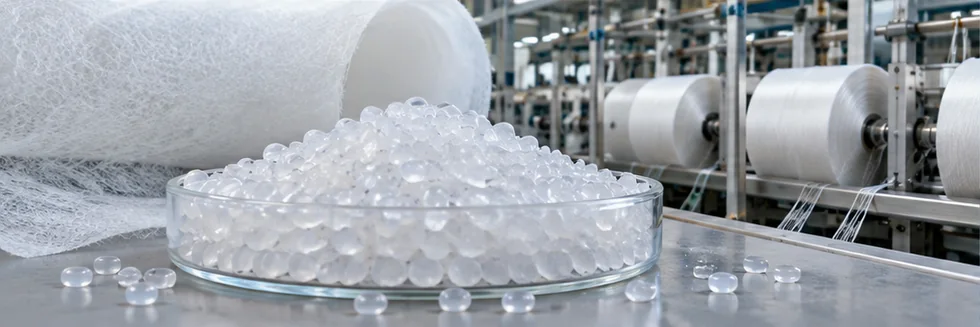
PP Fiber Grade is polypropylene selected for spinnability rather than merely molding performance. Melt-flow rate, molecular-weight distribution, gel defects, and thermal stabilization influence whether a spinning line can operate consistently. Staple fiber, continuous filament, spunbond, and meltblown processes require different rheology. The fiber-grade market therefore includes several resin windows, and a high-flow molding pellet is not automatically a suitable nonwoven feedstock.
Key Applications & Industrial Demand
Hygiene nonwovens, carpets, geotextiles, ropes, and industrial fabrics consume polypropylene fibers. Purchasers value filament uniformity, strength, softness, and stable high-speed processing. Medical or hygiene applications can impose additional cleanliness and qualification requirements on resin and additives.
Key Factors Influencing PP Fiber Grade Price Movements
- Spinning-Line Performance: Spinnability, gel defects, and molecular-weight distribution affect filament breaks, throughput, and waste, supporting premiums for consistently controlled fiber resin.
- Process-Specific Rheology: Melt-flow rate requirements differ among staple, filament, spunbond, and meltblown production, so availability in one grade does not guarantee supply for another.
- Hygiene and Textile Orders: Nonwoven, carpet, and technical-textile demand influence consumption, while thermal stabilization and cleanliness approvals constrain substitution on qualified production lines.
How to Interpret PP Fiber Grade Pricing Data
Resin quotations commonly use kilograms or metric tons. Identify the spinning process, flow test, additive package, and cleanliness level. Price comparisons should consider filament breaks, filter changes, and line productivity because processing losses can exceed a small saving in pellet cost.
Further reading: LyondellBasell Polypropylene Technical Selection
Frequently Asked Questions About PP fiber grade
What drives price changes for PP Fiber Grade?
Propylene costs, resin operating rates, hygiene-material orders, and textile production affect prices. Highly specialized nonwoven grades may follow a different balance from standard fiber resin.
How do quality or specification differences affect PP Fiber Grade pricing?
Flow, molecular distribution, gels, additive residues, odor, and thermal stability matter. Poor consistency can cause filament breaks and expensive spinning-line downtime.
Why can local PP Fiber Grade prices differ from global benchmarks?
Qualified stock, import freight, duties, technical support, and regional spinning demand affect local offers. Emergency supply for a running line can command a substantial premium.