


Understanding Port water supply to ships Prices
Market Overview & Supply Chain Dynamics
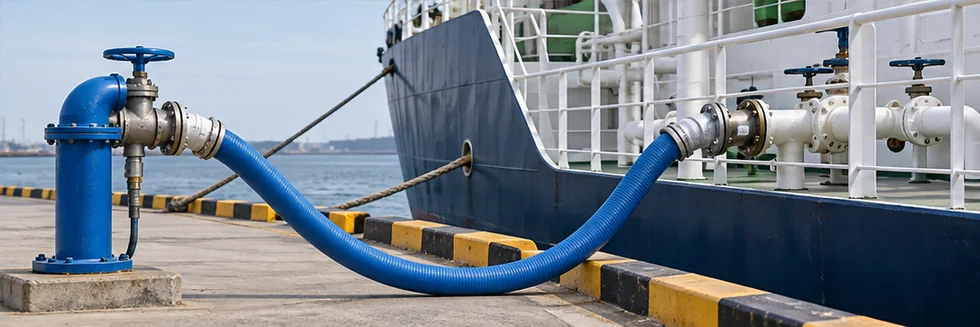
Port Water Supply to Ships combines freshwater with the service of transferring it into a vessel's tanks. Potable grade, clean hose connection, and controlled handling matter for crew and passenger use. Delivery rate determines how the operation fits a berth window. A water barge can serve anchorage deliveries, while a minimum call-out may dominate the bill for a small parcel.
Key Applications & Industrial Demand
Merchant ships, fishing vessels, offshore craft, and passenger ships replenish domestic freshwater where onboard production or storage is insufficient. The purchasing decision depends on voyage duration, tank capacity, crew size, and access to suitable shore connections.
Key Factors Influencing Port Water Supply to Ships Price Movements
- Transfer Method: A hose connection at berth has different operating costs from a water barge attending a vessel away from shore.
- Quality and Timing: Potable grade handling and the required delivery rate influence equipment, labor, and the ability to meet a tight vessel schedule.
- Parcel and Attendance: The minimum call-out, delivery volume, overtime, and waiting time determine effective cost per cubic meter for each replenishment.
How to Interpret Port Water Supply to Ships Pricing Data
Compare port quotations per cubic meter with delivery method and minimum parcel stated. Separate water cost from barge attendance, hose handling, overtime, and access fees. The cheapest shore tariff may not apply to a vessel waiting at anchorage.
Further reading: WHO: Guide to Ship Sanitation
Frequently Asked Questions About Port water supply to ships
What drives price changes for Port Water Supply to Ships?
Port water tariffs, service-craft availability, delivery location, overtime, and parcel size affect the vessel's replenishment cost.
How do quality or specification differences affect Port Water Supply to Ships pricing?
Potability, transfer hygiene, flow rate, delivery equipment, and documentation distinguish water services. Technical freshwater and drinking-water replenishment may require different handling.
Why can local Port Water Supply to Ships prices differ from global benchmarks?
Each port has different freshwater resources, berth equipment, barge availability, labor costs, and vessel access conditions. These services cannot be transferred between ports.