


Understanding Port tugboat Prices
Market Overview & Supply Chain Dynamics
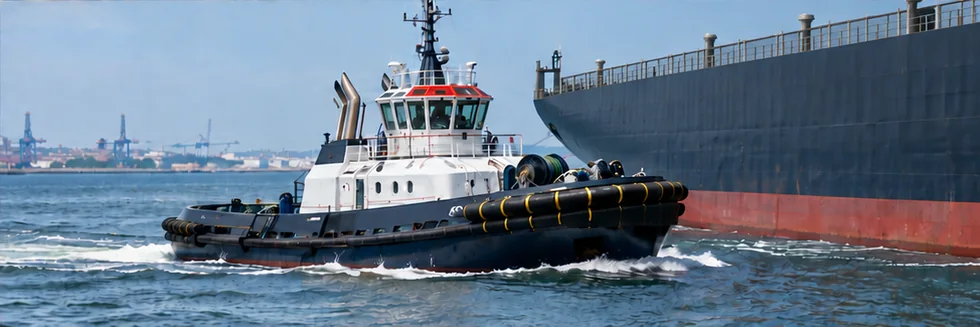
A port tugboat is engineered around bollard pull, propulsion layout, towing winch capacity, and fendering for close work alongside ships. Class notation, stability, visibility, and crew arrangements define further requirements. Engine power alone does not establish towing effectiveness or escort capability. Shipyard construction integrates hull steel, propulsion, electrical systems, deck machinery, and trials into a vessel matched to its intended harbor duties.
Key Applications & Industrial Demand
Towage operators, terminal companies, ports, and industrial marine fleets buy tugboats for berthing, unberthing, shifting, and other approved assistance. Demand follows ship dimensions, terminal development, towage rules, and fleet replacement. Some contracts also require firefighting or escort functions, which need their own equipment and qualifications.
Key Factors Influencing Port Tugboat Price Movements
- Towage Performance: Bollard pull, propulsion layout, stability, maneuverability, and towing winch design determine the assistance tasks the vessel can undertake.
- Deck and Protection Systems: Fendering, towing gear, firefighting options, crew protection, and class notation change the tug's working capabilities and construction cost.
- Delivery and Vessel Condition: Newbuilding specification, yard schedule, trials, used-vessel condition, maintenance history, and local service access influence delivered tug value.
How to Interpret Port Tugboat Pricing Data
Tugboat offers are whole-vessel sale prices rather than towage service tariffs. Compare build year, hull condition, propulsion, verified towing capability, class status, and included deck equipment. Delivery voyage, surveys, registration, spares, and crew preparation may be additional. A price per engine kilowatt cannot capture the complete working vessel.
Further reading: Damen: Tugboat Designs
Frequently Asked Questions About Port tugboat
What Drives Price Changes for Port Tugboat?
Shipyard capacity, steel, propulsion equipment, towage requirements, terminal projects, and secondhand vessel availability influence tugboat prices.
How Do Quality or Specification Differences Affect Port Tugboat Pricing?
Verified pulling performance, handling, winch systems, hull condition, class, and maintenance distinguish port tugs with similar overall lengths.
Why Can Local Port Tugboat Prices Differ From Global Benchmarks?
Delivery voyages, surveys, registration, crew preparation, modifications, and local repair support add costs beyond shipyard or secondhand sale prices.