


Understanding Porcelain tiles Prices
Market Overview & Supply Chain Dynamics
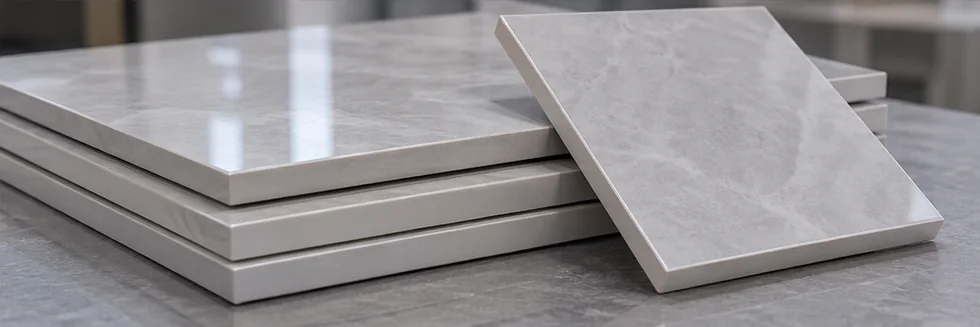
Porcelain Tiles combine a vitrified ceramic body with specified water absorption, surface finish, and dimensional quality. Rectified edges and slip performance create further commercial differences. Raw-material preparation, pressing, firing, glazing, and finishing determine yield and appearance. Large-format polished tiles require different production and handling from smaller textured floor units, even when both carry the porcelain name.
Key Applications & Industrial Demand
Floors, walls, commercial interiors, facades, and other approved surfaces use porcelain selected for the setting. Buyers consider wear, wet-area slip behavior, staining, strength, and aesthetics. A glossy wall finish should not automatically be substituted for a tested public-floor product.
Key Factors Influencing Porcelain Tiles Price Movements
- Firing and Yield: Energy, ceramic inputs, vitrification control, size, and production rejects influence the cost of saleable tiles.
- Finish and Dimensions: Surface finish, rectified edges, flatness, shade consistency, and large-format handling create premiums for precise architectural products.
- Use Qualification: Water absorption, strength, wear, and slip performance determine acceptance, with demanding commercial surfaces requiring more than an attractive printed design.
How to Interpret Porcelain Tiles Pricing Data
Tiles commonly price per square meter or box. Convert boxes using actual coverage and include cutting allowance, shade lot, breakage, and delivery. Adhesive, grout, leveling, and labor belong to installed cost; equal area prices can still describe unequal tile specifications.
Further reading: Tile Council of North America Technical Resources
Frequently Asked Questions About Porcelain tiles
What Drives Price Changes for Porcelain Tiles?
Kiln energy, raw materials, capacity, format, finishing, and renovation or building orders influence prices. Large or demanding finishes may have lower manufacturing yield.
How Do Quality or Specification Differences Affect Porcelain Tiles Pricing?
Absorption, dimensions, flatness, shade, finish, strength, wear, and slip results matter. Porcelain classification alone does not describe the performance of the exposed surface.
Why Can Local Porcelain Tiles Prices Differ From Global Benchmarks?
Import freight, duties, stock sizes, shade-lot availability, breakage, and distributor inventory affect prices. Local availability of matching replacements can add practical value.