


Understanding PMMA Prices
Market Overview & Supply Chain Dynamics
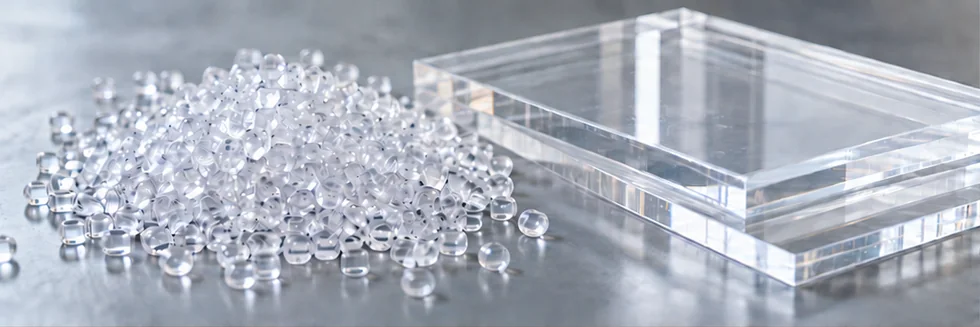
PMMA is polymerized from methyl methacrylate into an acrylic material prized for optical clarity, weather resistance, and surface hardness. Molding pellets, cast and extruded sheet, and specialized optical grades represent different supply stages. Molecular weight, additives, haze, and color consistency influence processing and appearance. A quote for generic clear acrylic therefore may not describe the material required for an optical part or durable outdoor display.
Key Applications & Industrial Demand
Signs, lighting optics, displays, protective panels, decorative products, and selected vehicle components use PMMA. Customers value transparent surfaces that retain appearance outdoors. Impact-modified, colored, or light-diffusing grades serve separate functions from ordinary clear resin.
Key Factors Influencing PMMA Price Movements
- MMA Monomer Balance: Methyl methacrylate production, outages, and energy costs affect acrylic-resin economics, while specialty polymer capacity influences high-quality optical supply.
- Appearance Requirements: Optical clarity, haze, color, and surface hardness support grade premiums where tiny defects can cause rejection of visible or light-guiding components.
- Outdoor and Sheet Performance: Weather resistance and cast and extruded processing requirements create distinct markets, with fabrication yield and panel dimensions affecting finished-sheet value.
How to Interpret PMMA Pricing Data
Resin commonly trades per kilogram or ton, while sheet may be priced by area, weight, or panel. Compare thickness, process, optical specification, and protective film for sheet. A pellet price excludes sheet conversion, cutting, masking, and the losses involved in fabrication.
Further reading: Röhm Acrylic Products and PMMA
Frequently Asked Questions About PMMA
What drives price changes for PMMA?
MMA costs, resin production, signage and lighting demand, and sheet-converter orders influence prices. Optical grades may follow a tighter qualification-driven balance.
How do quality or specification differences affect PMMA pricing?
Clarity, haze, flow, impact modification, color, weathering, and sheet process matter. Transparent general-purpose acrylic is not automatically an optical-grade material.
Why can local PMMA prices differ from global benchmarks?
Sheet conversion, masking, cutting, freight, local stock sizes, import duties, and fabrication demand affect prices. Finished panels contain substantial value beyond the raw resin.