


Understanding Physical WTI crude oil Prices
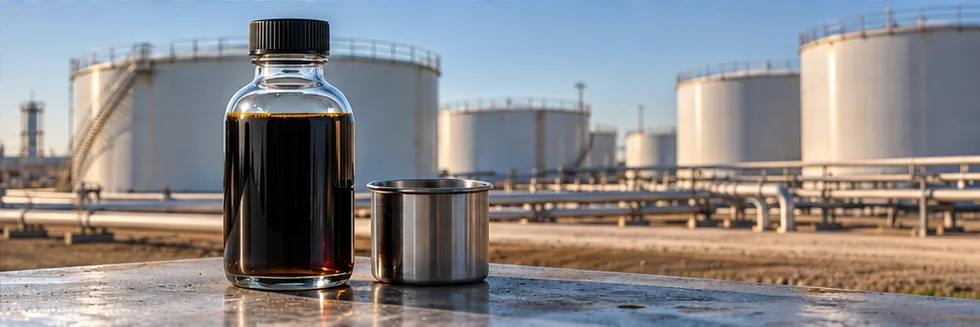
Market Overview & Supply Chain Dynamics
Physical WTI Crude Oil is traded through US inland and coastal crude networks, with Cushing serving as a central reference point. Pipeline connectivity and storage balance influence the ability to move barrels to refiners or export terminals. A light-sweet assay describes refining characteristics, while the delivery month establishes when the buyer must receive the physical oil.
Key Applications & Industrial Demand
US refiners buy WTI-related streams for transportation-fuel production, and exporters connect domestic barrels with overseas demand. Refinery maintenance, pipeline access, and export-terminal capacity can change the value of an inland barrel relative to coastal crude.
Key Factors Influencing Physical WTI Crude Oil Price Movements
- Hub Inventories: Cushing storage balance and tank availability influence nearby physical tightness, particularly when scheduled inflows exceed available refinery or pipeline outlets.
- Transport Access: Pipeline connectivity, tariff costs, and export-terminal access determine the value of moving inland crude toward consuming or overseas markets.
- Crude and Timing Terms: The light-sweet assay, delivery month, and permitted quality tolerances distinguish actual crude purchases from a generic benchmark exposure.
How to Interpret Physical WTI Crude Oil Pricing Data
Read WTI prices in US dollars per barrel at the specified location and delivery month. Distinguish a Cushing quotation from an export-terminal offer, and separate physical cash differentials from continuous-futures charts or monthly statistical averages.
Further reading: EIA: WTI and Other Crude Spot Prices
Frequently Asked Questions About Physical WTI crude oil
What drives price changes for Physical WTI Crude Oil?
US production, refinery runs, hub inventories, pipeline flows, export demand, and global crude conditions influence physical WTI values.
How do quality or specification differences affect Physical WTI Crude Oil pricing?
Sulfur, density, blending characteristics, location, and delivery timing affect differentials. Crude sold under a regional name may have different permitted assay ranges.
Why can local Physical WTI Crude Oil prices differ from global benchmarks?
Pipeline tariffs, storage availability, gathering costs, export logistics, and refinery demand create location-specific physical differentials.