


Understanding PET fiber grade Prices
Market Overview & Supply Chain Dynamics
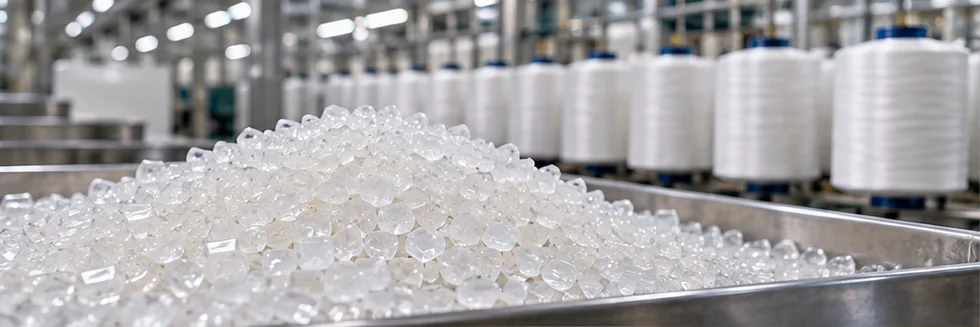
PET Fiber Grade is polyester resin formulated for melt-spun textile or industrial fibers. Intrinsic viscosity, spinning chips, delustrant content, moisture drying, and color define important commercial distinctions. Bright, semi-dull, and full-dull products have different optical characteristics. The resin is made from polyester intermediates such as PTA and MEG, then processed into chips or delivered through integrated melt systems before becoming polyester filaments.
Key Applications & Industrial Demand
Apparel yarns, home textiles, staple fibers, tire-related industrial yarn, and nonwovens use specific fiber-grade PET. Spinners require stable flow, low contamination, and consistent luster. Bottle resin and engineering PET compounds serve other markets and cannot be assumed equivalent.
Key Factors Influencing PET Fiber Grade Price Movements
- Polyester Feedstocks: PTA and MEG costs influence polyester production margins, while integrated spinning capacity changes how much resin is available as merchant chips.
- Spinning Consistency: Intrinsic viscosity, contamination, and moisture drying determine melt stability, spin-filter loading, and the reliability of polyester filaments at high line speeds.
- Luster Specification: Delustrant loading and color distinguish bright and dull spinning chips, creating separate demand and qualification requirements for textile programs.
How to Interpret PET Fiber Grade Pricing Data
Fiber PET is often priced per metric ton of chips or melt. Compare IV, luster, titanium-dioxide loading, color, and packing condition. Drying energy, spin-filter life, and filament breaks affect conversion economics beyond the quoted resin cost.
Further reading: Indorama Ventures PET Resin Portfolio
Frequently Asked Questions About PET fiber grade
What drives price changes for PET Fiber Grade?
PTA and MEG prices, polyester operating rates, apparel orders, and chip inventories influence values. Integrated fiber producers can alter merchant supply when their spinning schedules change.
How do quality or specification differences affect PET Fiber Grade pricing?
IV, luster, color, titanium dioxide, moisture, and contamination matter. Fiber-grade resin must run reliably through spinnerets; bottle-grade material follows different specifications.
Why can local PET Fiber Grade prices differ from global benchmarks?
Chip freight, packaging, import duties, drying requirements, and local spinning demand affect delivered cost. Qualified luster and IV combinations may carry regional premiums.