


Understanding PBT Prices
Market Overview & Supply Chain Dynamics
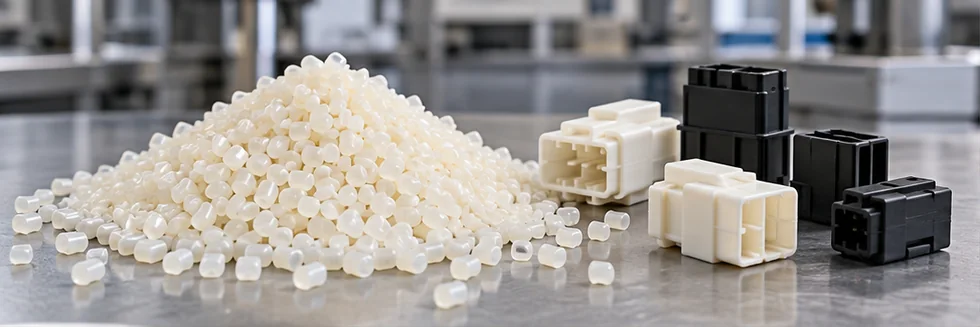
PBT is an engineering polyester selected for rapid crystallization, electrical insulation, and dimensional performance in molded components. Glass-filled compounds and grades with enhanced hydrolysis resistance serve different operating environments. Production links polyester intermediates to polymerization and compounding, while the additive package determines much of the final commercial specification. Drying before molding matters because moisture can degrade the polymer during processing.
Key Applications & Industrial Demand
Electrical connectors, sensor housings, appliance parts, automotive components, and optical-fiber systems use PBT. Buyers seek stable dimensions, dielectric behavior, and efficient molding. Flame-retardant and hydrolysis-stabilized formulations carry requirements beyond those of a general-purpose unfilled polyester.
Key Factors Influencing PBT Price Movements
- Polyester Intermediates: Terephthalate inputs, butanediol availability, and compounding capacity influence engineering polyester production costs and the availability of specific PBT grades.
- Molding and Dimensional Control: Rapid crystallization and glass-filled compounds influence cycle time, warpage, and dimensional accuracy in connectors or precision housings.
- Service Qualification: Electrical insulation, hydrolysis resistance, and flame requirements restrict substitutions where components must retain performance through heat, moisture, or demanding electrical service.
How to Interpret PBT Pricing Data
PBT is commonly quoted per kilogram or metric ton. Compare filler loading, viscosity, flame performance, hydrolysis package, and approval status. Compound weight includes glass and additives, so equal prices by weight do not imply equal polymer content or component performance.
Further reading: BASF PBT Engineering Plastics
Frequently Asked Questions About PBT
What drives price changes for PBT?
Polyester feedstocks, butanediol supply, electrical demand, automotive output, and compounding capacity influence prices. Qualified reinforced grades can differ from the unfilled-resin market.
How do quality or specification differences affect PBT pricing?
Glass content, viscosity, flame-retardant system, hydrolysis stability, color, and approvals determine value. Processing moisture and warpage behavior are also commercially significant.
Why can local PBT prices differ from global benchmarks?
Local compounding, engineering approvals, import duties, freight, and qualified inventory affect prices. Small specialty orders include more distribution and technical-service cost.