


Understanding Passenger-car tires Prices
Market Overview & Supply Chain Dynamics
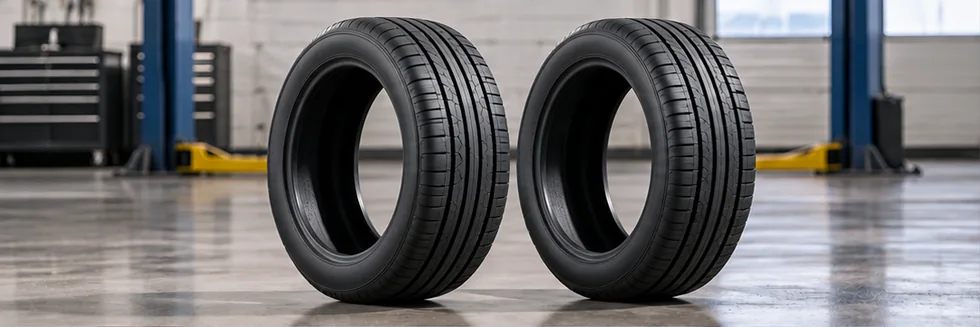
Passenger-car tires combine a carcass, belts, beads, sidewalls, and tread compound in a cured rubber assembly. Tire size, load index, speed rating, and seasonal category establish the basic specification. Performance also depends on tread design, construction, and the intended vehicle. A large rim diameter or sporty appearance is not a complete measure of grip, durability, comfort, or braking performance.
Key Applications & Industrial Demand
Vehicle assembly and replacement markets purchase tires around approved fitments, driving conditions, mileage, and wear. Winter demand, seasonal changeovers, fleet programs, and household replacement budgets influence sales. Electric and heavier vehicles may place additional emphasis on load capability, noise, and rolling behavior within the approved fitment.
Key Factors Influencing Passenger-Car Tires Price Movements
- Construction and Materials: Tread compound, belts, carcass materials, bead design, and manufacturing consistency determine grip, wear behavior, and production cost.
- Fitment and Ratings: Tire size, load index, speed rating, seasonal category, and vehicle approvals separate tires serving different road and weather conditions.
- Replacement Channel: Seasonal stocking, fleet agreements, dealer inventories, mounting services, and end-of-line promotions influence the local replacement-tire invoice.
How to Interpret Passenger-Car Tires Pricing Data
Tire offers may be per tire or set and may exclude mounting, balancing, valves, alignment, or disposal. Compare the complete size and service description, model, construction, condition, and warranty. A discounted tire with a different load or seasonal requirement may not be an appropriate substitute.
Further reading: Michelin: Load and Speed Ratings
Frequently Asked Questions About Passenger-car tires
What Drives Price Changes for Passenger-Car Tires?
Rubber inputs, cord materials, tire size, seasonal demand, vehicle fitments, and dealer inventory affect passenger-tire prices.
How Do Quality or Specification Differences Affect Passenger-Car Tires Pricing?
Grip, wear, noise, load capability, speed rating, seasonal design, and manufacturing consistency differentiate tire models.
Why Can Local Passenger-Car Tires Prices Differ From Global Benchmarks?
Freight, duties, fitting, balancing, disposal, alignment, and retailer support add costs beyond a tire-only wholesale offer.