


Understanding Parboiled rice Prices
Market Overview & Supply Chain Dynamics
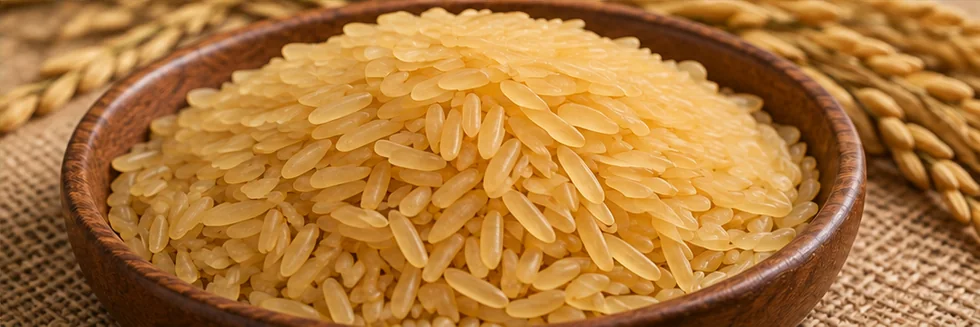
Parboiled Rice undergoes soaking, steaming, and drying so that gelatinization changes the starch before the finished grain reaches the buyer. Process control affects color uniformity, breakage, and cooking behavior. Incomplete treatment can leave visibly ungelatinized areas, while excessive or uneven heating can create unwanted color. This processing chain distinguishes parboiled rice from ordinary milled white rice.
Key Applications & Industrial Demand
Caterers, institutional kitchens, retail consumers, and processors buy parboiled rice for its particular cooked texture and handling characteristics. Desired color, grain separation, and cooking performance differ between destinations, creating distinct export specifications.
Key Factors Influencing Parboiled Rice Price Movements
- Hydrothermal Processing: Soaking, steaming, and drying consume equipment capacity and energy, adding costs beyond ordinary white-rice milling.
- Treatment Consistency: Gelatinization and color uniformity affect cooking quality, visual acceptance, and the proportion of the batch meeting export requirements.
- Destination Specifications: Grain length, breakage, preferred color, and institutional demand determine which parboiled grades each market can absorb.
How to Interpret Parboiled Rice Pricing Data
Read prices per metric ton or bag for the specified grain type, broken percentage, color, moisture, and processing quality. Include the additional hydrothermal stage when assessing premiums over white rice. Delivered and export-port quotations also carry different freight obligations.
Further reading: USDA: Parboiled Rice Inspection
Frequently Asked Questions About Parboiled rice
What drives price changes for Parboiled Rice?
Paddy costs, parboiling energy, processing capacity, whole-kernel recovery, and demand from importing food markets influence prices.
How do quality or specification differences affect Parboiled Rice pricing?
Grain dimensions, broken percentage, color, moisture, and completeness of gelatinization determine whether a lot meets the buyer's cooking and appearance requirements.
Why can local Parboiled Rice prices differ from global benchmarks?
Local parboiling capacity, fuel costs, pack sizes, freight, import charges, and destination-specific color preferences create different market premiums.