


Understanding Packaged bread Prices
Market Overview & Supply Chain Dynamics
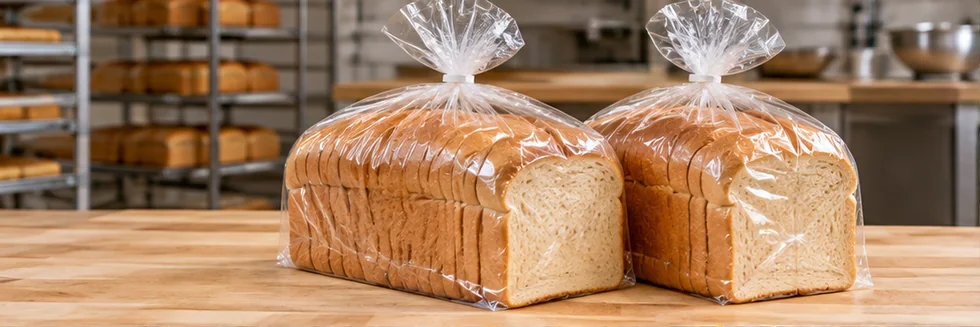
Packaged Bread is produced through flour formulation, dough development, fermentation, baking, and packing. Bake loss determines finished weight from dough, while staling and the preservative system influence the selling window. Sliced sandwich loaves, enriched breads, wholegrain products, and specialty recipes have different ingredient and handling costs despite similar bag formats.
Key Applications & Industrial Demand
Households, sandwich makers, schools, and foodservice buyers seek consistent slices, texture, flavor, and keeping quality. Delivery frequency and unsold returns matter because bread's useful retail life is shorter than that of its dry ingredients.
Key Factors Influencing Packaged Bread Price Movements
- Dough and Recovery: Flour formulation, fermentation, ingredient costs, bake loss, and oven energy determine the output cost per finished loaf.
- Shelf-Life Design: Staling, preservative system, slicing, bag protection, and hygiene affect the period available for profitable sale.
- Fresh Distribution: Delivery frequency, returns, retailer margins, promotions, and convenience demand influence the final packaged-bread price.
How to Interpret Packaged Bread Pricing Data
Compare local-currency price per kilogram or usable slice for the same recipe and net loaf weight. Check freshness and included ingredients. Wheat or flour benchmarks require substantial baking, packing, distribution, and waste adjustments before explaining the shelf price.
Further reading: FAO: Cereal Food Processing
Frequently Asked Questions About Packaged bread
What drives price changes for Packaged Bread?
Flour, fats, yeast, energy, labor, packaging, delivery, and unsold returns influence bread prices.
How do quality or specification differences affect Packaged Bread pricing?
Recipe, cereal content, loaf weight, slice count, texture, freshness, and shelf-life design distinguish bread products.
Why can local Packaged Bread prices differ from global benchmarks?
Local baking labor, energy, fresh delivery, retail returns, recipe preferences, and branding add costs beyond flour or grain values.