


Understanding Oats Prices
Market Overview & Supply Chain Dynamics
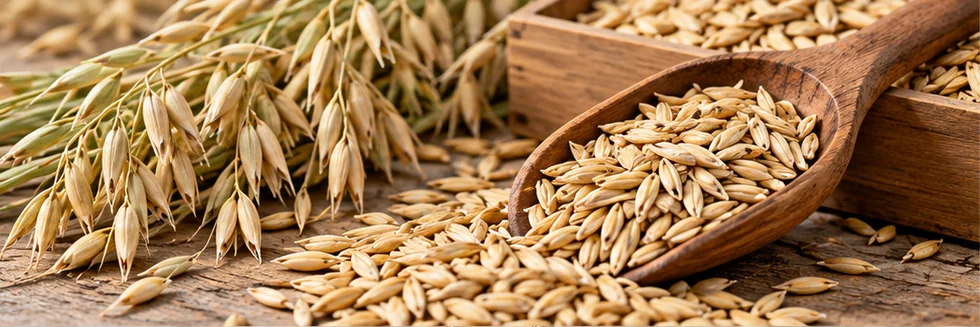
Oats differ from wheat because a substantial hull fraction surrounds the edible groat in conventional hulled varieties. Groat yield and test weight influence milling economics, while beta-glucan and kernel condition matter to food processors. Kilning stabilizes processed oats by controlling enzyme activity. Raw grain, cleaned milling oats, and finished rolled oats are therefore separate commercial products.
Key Applications & Industrial Demand
Breakfast cereals, porridge, oat beverages, bakery ingredients, and feed rations support oat demand. Food mills need suitable groat recovery and sound kernels; feed buyers evaluate energy, fiber, and cost against other grains.
Key Factors Influencing Oats Price Movements
- Milling Recovery: Groat yield, test weight, and hull fraction determine the edible output recovered from each purchased ton.
- Food-Ingredient Requirements: Beta-glucan, flavor, kernel condition, and suitability for kilning influence acceptance by cereal and beverage manufacturers.
- Crop and Outlet Balance: Weather, acreage, milling demand, feed alternatives, and transport distance shape the premium for food-grade oats.
How to Interpret Oats Pricing Data
Compare raw-oat prices per metric ton or the stated bushel convention with moisture and test weight defined. Distinguish food-milling grades from feed oats and processed flakes. Freight paid on hulls affects the economics of moving grain to distant mills.
Further reading: USDA: Oat Grades and Standards
Frequently Asked Questions About Oats
What drives price changes for Oats?
Harvest volume, food-grade kernel supply, milling demand, feed values, and freight determine oat prices and milling premiums.
How do quality or specification differences affect Oats pricing?
Groat recovery, test weight, moisture, hull proportion, soundness, and food-processing suitability distinguish milling oats from feed-grade material.
Why can local Oats prices differ from global benchmarks?
Milling capacity, bulky hull transport, local feed demand, grade availability, and regional harvest conditions create different cash prices.