


Understanding NPK 16-16-8 Prices
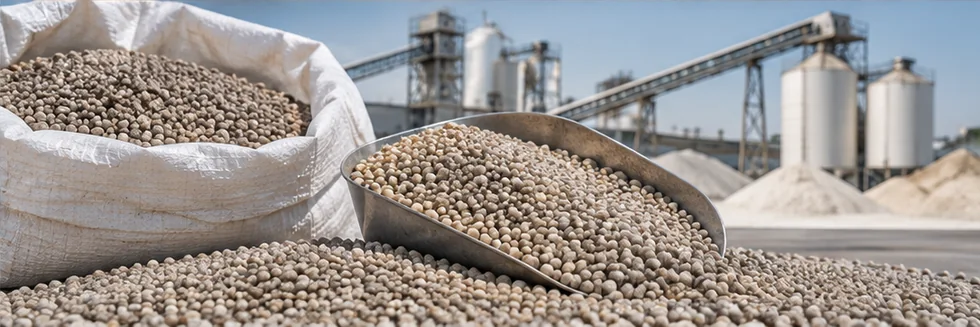
Market Overview & Supply Chain Dynamics
NPK 16-16-8 combines nitrogen with phosphate expressed as P2O5 and potash expressed as K2O. The analysis describes nutrient content, not a fixed recipe of raw materials. Compound or blend construction and granule uniformity influence whether nutrients remain evenly distributed through storage and spreading. Added sulfur, trace nutrients, or coatings create further product distinctions beyond the three headline numbers.
Key Applications & Industrial Demand
Growers and distributors select this formulation where crop and soil programs justify its nutrient balance. It supplies relatively less potash than equally numbered 16-16-16 products, so those fertilizers cannot be treated as nutrient-equivalent substitutes.
Key Factors Influencing NPK 16-16-8 Price Movements
- Nutrient Inputs: Nitrogen feedstocks, phosphate materials expressed as P2O5, and potash expressed as K2O each contribute to formulation cost.
- Particle Construction: Compound or blend production, granule uniformity, moisture, hardness, and segregation resistance influence field and handling consistency.
- Regional Crop Programs: Soil needs, planting schedules, crop economics, dealer stocks, and bagged distribution determine demand for the 16-16-8 balance.
How to Interpret NPK 16-16-8 Pricing Data
Compare currency per bag or metric ton with the guaranteed analysis, nutrient forms, manufacturing route, and net weight. Evaluate costs against required nutrients rather than bag price alone. Extra micronutrients or branded claims should be supported by the declared composition.
Further reading: UMN Extension: Fertilizer Nutrient Forms
Frequently Asked Questions About NPK 16-16-8
What drives price changes for NPK 16-16-8?
Nitrogen, phosphate, and potash inputs, production, planting demand, packaging, and freight influence this fertilizer's price.
How do quality or specification differences affect NPK 16-16-8 pricing?
Nutrient forms, guaranteed analysis, compound versus blend construction, granule quality, and additional nutrients distinguish offers.
Why can local NPK 16-16-8 prices differ from global benchmarks?
Local blending, bagging, freight, credit, dealer margins, crop preferences, and extra formulation ingredients create regional differences.