


Understanding NPK 15-15-15 Prices
Market Overview & Supply Chain Dynamics
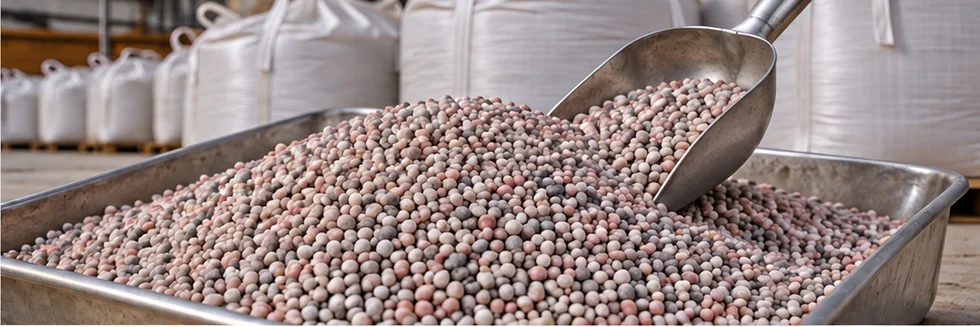
NPK 15-15-15 has a balanced analysis of nominal nitrogen, phosphate, and potash percentages. A nutrient guarantee establishes composition, while phosphate availability and the potassium carrier distinguish recipes that share the same headline numbers. Granulation or blending determines particle structure. Equal label percentages do not establish that every soil or crop requires those nutrients in equal proportions.
Key Applications & Industrial Demand
Farms, plantations, horticulture, and distributors purchase this formulation as part of a wider nutrient program. Buyers may value a convenient combined application, but the formulation's suitability depends on crop requirements, soil supply, and additional fertilizer use.
Key Factors Influencing NPK 15-15-15 Price Movements
- Recipe Composition: Phosphate availability, potassium carrier, nitrogen forms, and added nutrients influence cost despite an identical balanced analysis.
- Physical Preparation: Granulation, particle size, moisture, hardness, and segregation behavior affect handling and spreading performance.
- Verified Supply and Demand: Nutrient guarantee, seasonal procurement, distributor stock, packaging, and freight influence the value of qualified fertilizer supply.
How to Interpret NPK 15-15-15 Pricing Data
Compare currency per metric ton or bag using guaranteed nutrients, their forms, chloride basis where relevant, and net weight. Identify compound, blended, coated, or supplemented products. Price per ton should be considered alongside the nutrient quantities actually required.
Further reading: UMN Extension: Fertilizer Analysis and Nutrients
Frequently Asked Questions About NPK 15-15-15
What drives price changes for NPK 15-15-15?
Raw nutrient costs, manufacturing, bagging, crop-season orders, stocks, and transport influence the formulation's price.
How do quality or specification differences affect NPK 15-15-15 pricing?
Nutrient forms, solubility, chloride, compound or blend preparation, granules, and supplementary nutrients distinguish products with equal headline analysis.
Why can local NPK 15-15-15 prices differ from global benchmarks?
Formulation, local manufacturing, bags, freight, credit, dealer service, and regional crop demand create premiums beyond nutrient benchmarks.