


Understanding NMC precursor Prices
Market Overview & Supply Chain Dynamics
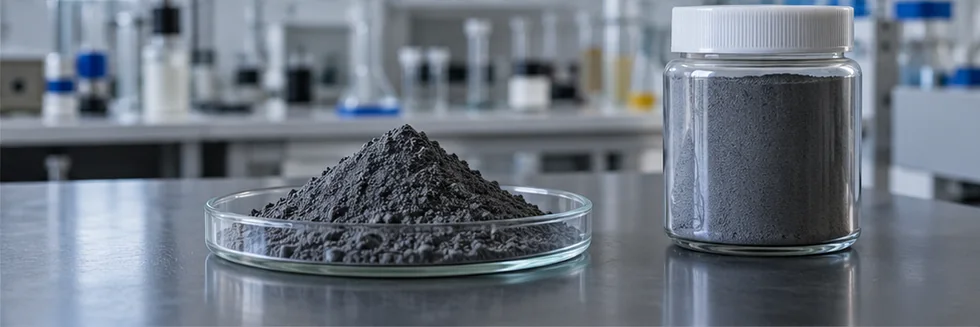
NMC Precursor is a mixed-metal material produced to a specified metal ratio before lithiation into active cathode powder. Coprecipitation, particle morphology, residual sodium, and other impurities determine suitability for downstream synthesis. Nickel-rich and other ratio families serve different cell designs. The precursor is therefore a distinct product from cobalt sulfate, mixed scrap, or finished NMC cathode active material.
Key Applications & Industrial Demand
Cathode manufacturers buy NMC precursor to make positive-electrode powders for electric vehicles and other batteries. Customers qualify composition, particle structure, and calcination behavior for a particular recipe. Demand shifts as cell makers change the mix of nickel-bearing and cobalt-free chemistries.
Key Factors Influencing NMC Precursor Price Movements
- Contained-Metal Economics: Nickel, cobalt, and manganese inputs affect feed costs, while the metal ratio determines how strongly each commodity influences precursor value.
- Particle Synthesis: Coprecipitation control and particle morphology affect synthesis yield, tap behavior, and the consistency of subsequent active-material production.
- Purification and Conversion: Residual sodium, sulfur-related impurities, moisture, and lithiation compatibility influence qualification and the premium paid for approved precursor material.
How to Interpret NMC Precursor Pricing Data
Precursor prices commonly use kilograms or metric tons of a specified NMC ratio. Compare metal basis, moisture, particle data, impurities, and conversion terms. A cathode-powder quotation includes lithium and further heat treatment, while metal-sulfate prices describe earlier chemical stages.
Further reading: Malvern Panalytical Cathode Precursor Characterization
Frequently Asked Questions About NMC precursor
What Drives Price Changes for NMC Precursor?
Nickel and cobalt inputs, precursor capacity, battery chemistry, cathode orders, and inventories influence prices. Changes in high-nickel adoption can alter demand among ratio families.
How Do Quality or Specification Differences Affect NMC Precursor Pricing?
Metal ratio, impurity limits, morphology, size distribution, moisture, and lot consistency matter. Two nominally similar NMC precursors may behave differently during lithiation and calcination.
Why Can Local NMC Precursor Prices Differ From Global Benchmarks?
Chemical feedstock access, synthesis capability, environmental costs, freight, duties, and approved customer demand affect regional values. Qualification limits substitution even when cheaper metal salts are available.