


Understanding Nickel sulfate battery grade Prices
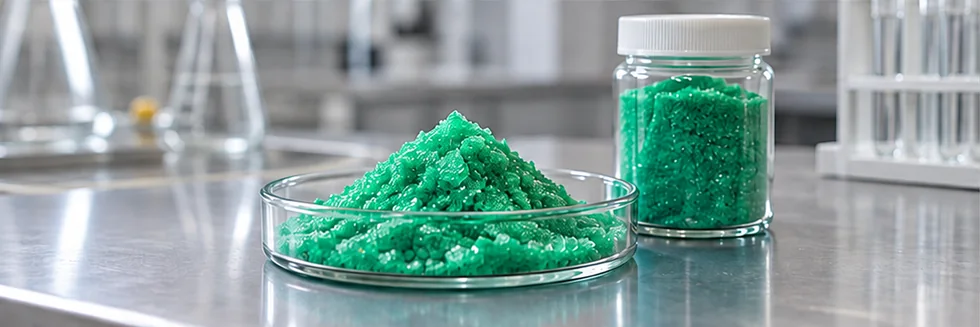
Market Overview & Supply Chain Dynamics
Nickel Sulfate Battery Grade is refined to controlled trace-metal limits for precursor coprecipitation. Nickel content and hexahydrate or solution form determine the chemical basis. Feedstock route can begin with nickel metal, matte, or other intermediates, each requiring different refining steps. Battery approval depends on consistent purity and delivery rather than simply a high nickel assay or a favorable metal benchmark.
Key Applications & Industrial Demand
Manufacturers of nickel-bearing cathode precursors use qualified sulfate for electric-vehicle and other lithium-ion cells. The nickel ratio and chemistry mix affect demand. Stainless-steel production consumes nickel in other forms and does not create the same requirement for purified battery sulfate.
Key Factors Influencing Nickel Sulfate Battery Grade Price Movements
- Nickel Conversion Feed: Feedstock route, nickel availability, refining recovery, and reagent costs determine the economics of producing battery-compatible sulfate.
- Contained-Metal Basis: Nickel content and hexahydrate identity affect metal-unit conversion, while liquid concentration changes freight and customer dosing arrangements.
- Precursor Qualification: Trace-metal limits and precursor coprecipitation requirements restrict usable supply, with qualification and cathode production influencing premiums over industrial salts.
How to Interpret Nickel Sulfate Battery Grade Pricing Data
Nickel sulfate may be quoted per ton of crystals, liquid, or contained nickel. Align hydrate, assay, moisture, and impurities before using an exchange nickel price as a reference. Conversion cost and battery qualification belong in the comparison.
Further reading: USGS Nickel Supply and Applications
Frequently Asked Questions About Nickel sulfate battery grade
What Drives Price Changes for Nickel Sulfate Battery Grade?
Nickel feedstocks, conversion capacity, precursor orders, battery chemistry, and inventories influence prices. Battery sulfate can tighten or weaken separately from exchange-deliverable nickel metal.
How Do Quality or Specification Differences Affect Nickel Sulfate Battery Grade Pricing?
Nickel assay, hydrate, solution concentration, cobalt and other impurities, moisture, and consistency matter. A technical sulfate grade may not satisfy a cathode customer's contamination limits.
Why Can Local Nickel Sulfate Battery Grade Prices Differ From Global Benchmarks?
Refinery access, freight, packaging, duties, qualification, and nearby battery-material production affect local prices. A metal benchmark excludes conversion and approved chemical-delivery requirements.