


Understanding NBR Prices
Market Overview & Supply Chain Dynamics
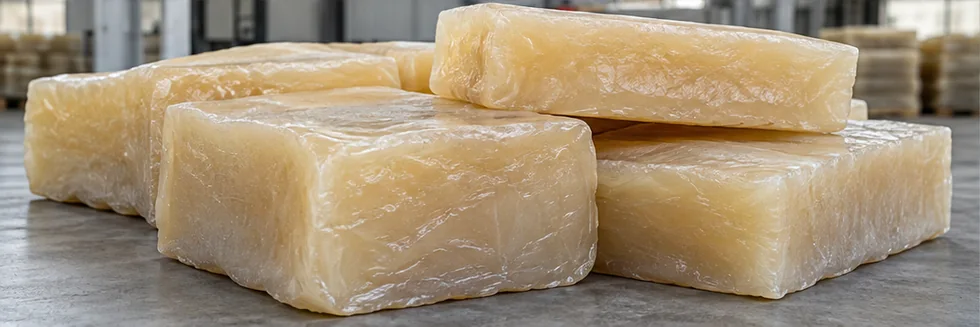
NBR is a copolymer whose acrylonitrile content shapes oil resistance and low-temperature flexibility. Mooney viscosity, cure system, and polymer structure further distinguish its grades. Producers offer bales, powders, and specialty variants for different conversion routes. This makes NBR a formulation-specific elastomer market rather than an interchangeable substitute for every natural or synthetic rubber.
Key Applications & Industrial Demand
Seals, fuel hoses, gaskets, rollers, belts, and industrial compounds use NBR where oil exposure matters. Buyers select the balance of fluid resistance, cold flexibility, processing, and durability needed by a component. NBR latex for gloves represents a different commercial form from dry rubber bales.
Key Factors Influencing NBR Price Movements
- Monomer Economics: Butadiene and acrylonitrile availability affect polymerization costs, while grade allocation determines the supply of particular oil-resistant elastomer specifications.
- Resistance-Flexibility Balance: Acrylonitrile content links oil resistance with low-temperature flexibility, creating technical reasons for buyers to retain an approved NBR grade.
- Compounding Behavior: Mooney viscosity, cure system compatibility, and physical form influence mixing, extrusion, and the repeatability of finished seals or hoses.
How to Interpret NBR Pricing Data
Dry NBR generally trades per kilogram or metric ton. Compare ACN content, viscosity, bale or powder form, and any modifiers. A price for nitrile latex cannot directly represent dry NBR because water content, processing, and applications differ.
Further reading: ARLANXEO Polymer Families
Frequently Asked Questions About NBR
What Drives Price Changes for NBR?
Butadiene and acrylonitrile costs, elastomer-plant operations, and automotive or industrial demand influence NBR. Availability of a specific ACN-viscosity combination can matter more than aggregate supply.
How Do Quality or Specification Differences Affect NBR Pricing?
ACN content, Mooney viscosity, impurities, modification, and cure behavior distinguish grades. Greater oil resistance may come with a different cold-flexibility or processing balance.
Why Can Local NBR Prices Differ From Global Benchmarks?
Specialty inventories, freight, duties, compounder approvals, and local seal or hose production affect prices. Small qualified lots often include a distribution premium.