


Understanding Molasses Prices
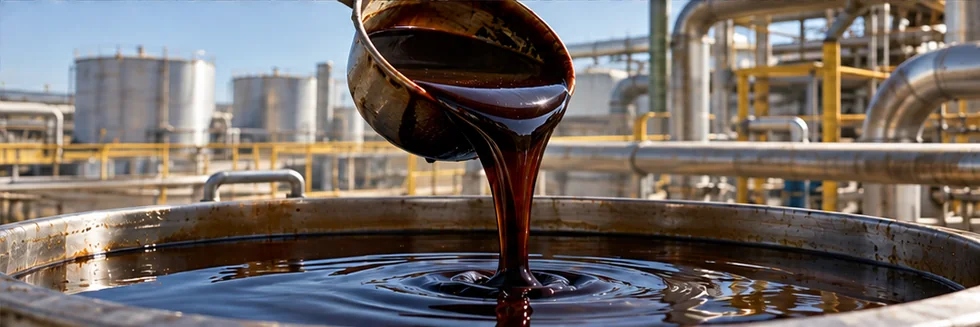
Market Overview & Supply Chain Dynamics
Molasses remains after sugar crystallization and contains fermentable sugars together with nonsugar constituents. Brix, ash, and viscosity describe different aspects of its processing value. Cane or beet origin affects composition and suitable uses. Tank storage, heating where needed, and pumping make liquid logistics important, while the residual syrup is not interchangeable with refined liquid sugar.
Key Applications & Industrial Demand
Fermentation plants, feed manufacturers, and selected food processors buy molasses according to sugar availability, mineral load, flavor, and safety requirements. Distilleries value fermentable output, whereas feed users assess ration contribution and handling.
Key Factors Influencing Molasses Price Movements
- Sugar Recovery Balance: Sugar-mill output and crystallization efficiency determine molasses volume and the fermentable sugars remaining in the syrup.
- Concentration and Handling: Brix, ash, viscosity, and cane or beet origin affect yield, pumping, storage, and acceptance by the intended processor.
- Competing Syrup Users: Feed demand, distilling, fermentation capacity, and local tank logistics influence the value of available molasses.
How to Interpret Molasses Pricing Data
Compare currency per metric ton on a stated solids and sugar basis. A wet-ton quotation can disguise different concentrations. Identify origin, intended food or feed use, loading temperature, and whether tank transport and delivery equipment are included.
Further reading: USDA: Molasses and Sugar Products Glossary
Frequently Asked Questions About Molasses
What drives price changes for Molasses?
Sugar harvests, mill production, residual sugar concentration, feed demand, fermentation orders, and tank freight influence molasses prices.
How do quality or specification differences affect Molasses pricing?
Solids, fermentable sugar, ash, origin, contamination, and flow properties determine usable fermentation or feed value.
Why can local Molasses prices differ from global benchmarks?
Tank transport, heating, storage, mill proximity, local feed users, and fermentation plants create a strong regional basis for this liquid product.